The Digital Bottleneck: Why AI Needs a Hardware Makeover
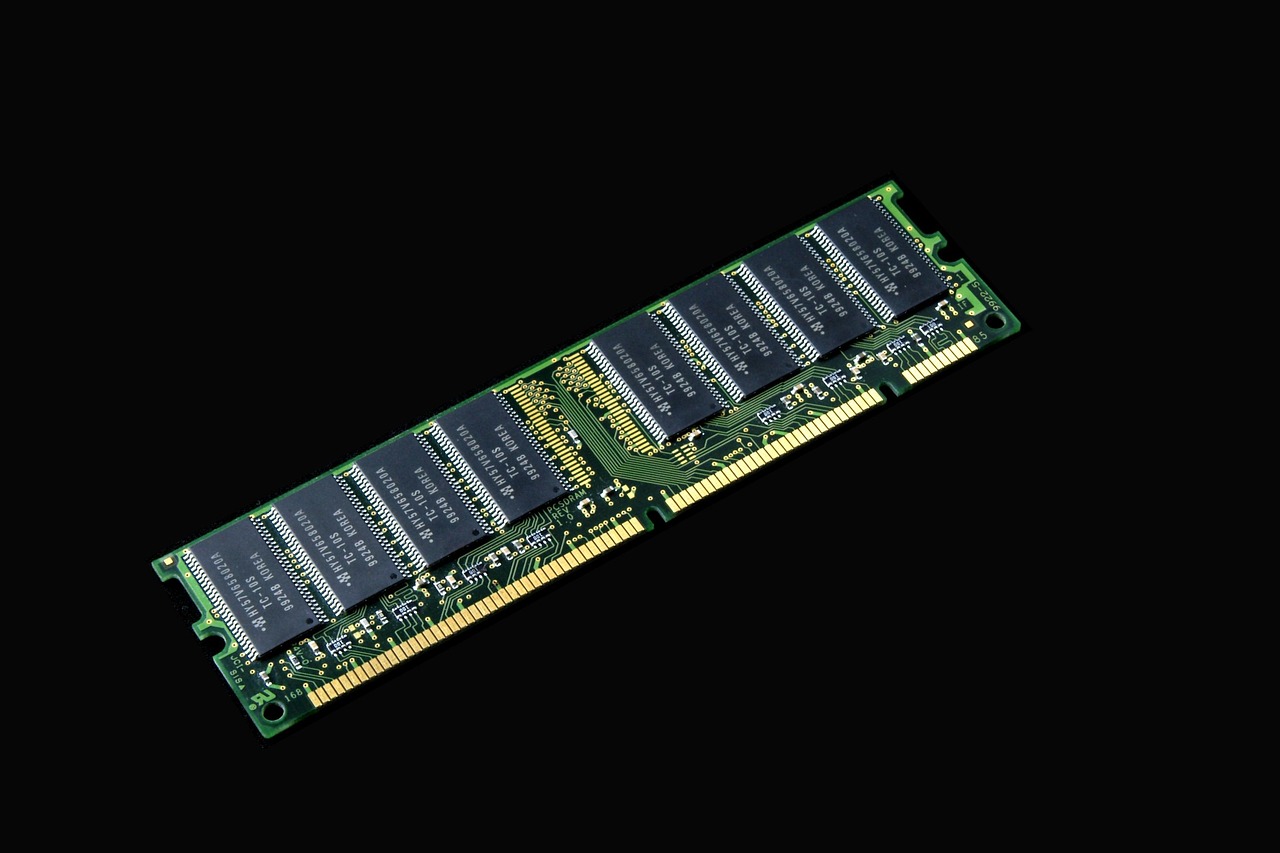
Imagine trying to have a lightning-fast conversation with someone who has to write down every single word you say, send it to a different room for processing, and then wait for a written response. That’s a bit like how traditional digital computers work with AI. Data constantly shuffles between the processor (the 'brain') and memory (the 'notebook'), creating a bottleneck. This 'data movement' is incredibly energy-intensive and slows things down, especially as AI models grow larger and more complex.
What is this? The Rise of Analog AI Chips
Enter Analog AI Chips, a revolutionary approach to how AI 'thinks.' Instead of the precise, 'on-or-off' digital signals that conventional chips use (like a light switch), these new chips operate with continuous, varying signals, much like a dimmer switch or, yes, a lightbulb. Think of it this way:
- Digital Chip: Like doing complex math on a calculator, step-by-step, with perfect precision. Great for general tasks, but slow for massive, repetitive AI calculations.
- Analog AI Chip: Like adjusting a light dimmer. It’s not about 'on' or 'off' but a continuous spectrum of brightness. It performs AI calculations (especially for neural networks) directly within the memory units themselves, often using physical properties like resistance or voltage. This is called In-Memory Computing (IMC). It’s less about perfect precision and more about 'good enough' accuracy, which is often precisely what AI needs for pattern recognition and inference.
By merging computation and memory, these chips drastically reduce the energy spent on data movement, making them incredibly efficient for specific AI tasks.
Why Does It Matter? Pervasive AI, Untethered
This isn't just a niche innovation; it's a game-changer for where and how AI can operate:
- Massive Energy Savings: Analog chips can be orders of magnitude more energy-efficient than their digital counterparts for AI inference. This means your smartphone's AI features could run longer without draining the battery, or smart home devices could process commands locally without needing to constantly 'phone home' to the cloud.
- Real-Time Decisions: By eliminating the data bottleneck, these chips enable AI to respond almost instantaneously. Imagine self-driving cars reacting to unexpected obstacles in milliseconds, or medical devices analyzing patient data in real-time, right where it's collected.
- Democratizing AI: Lower power consumption and potentially lower manufacturing costs could make advanced AI capabilities accessible in a wider range of devices, from tiny sensors to wearable tech, fostering a new wave of innovation in the 'Internet of Things' (IoT).
How Will It Affect Jobs and Careers?
This hardware shift will open up a new frontier for specialized skills and interdisciplinary roles:
- Hardware Engineers & Material Scientists: Demand will surge for experts in analog circuit design, VLSI (Very Large Scale Integration), and novel materials to build these chips. Understanding how to integrate memory and processing on a single die will be paramount.
- AI/ML Engineers (Hardware-Aware): Software developers and data scientists will need to understand the nuances of running AI models on analog hardware. This means optimizing models for reduced precision (quantization), understanding hardware constraints, and developing specialized frameworks.
- Embedded Systems & Edge Computing Specialists: Integrating these ultra-efficient chips into real-world devices – from industrial sensors to consumer gadgets – will require experts in embedded systems, firmware development, and edge AI deployment.
- System Architects & Product Managers: Visionaries who can design entire systems around these new capabilities, identifying novel applications and bringing them to market, will be invaluable.
The future of AI isn't just about smarter algorithms; it's about the silicon that powers them. Analog AI chips are paving the way for a world where intelligence is not just powerful, but also incredibly efficient and pervasive.