The Unseen Architects of Trustworthy AI
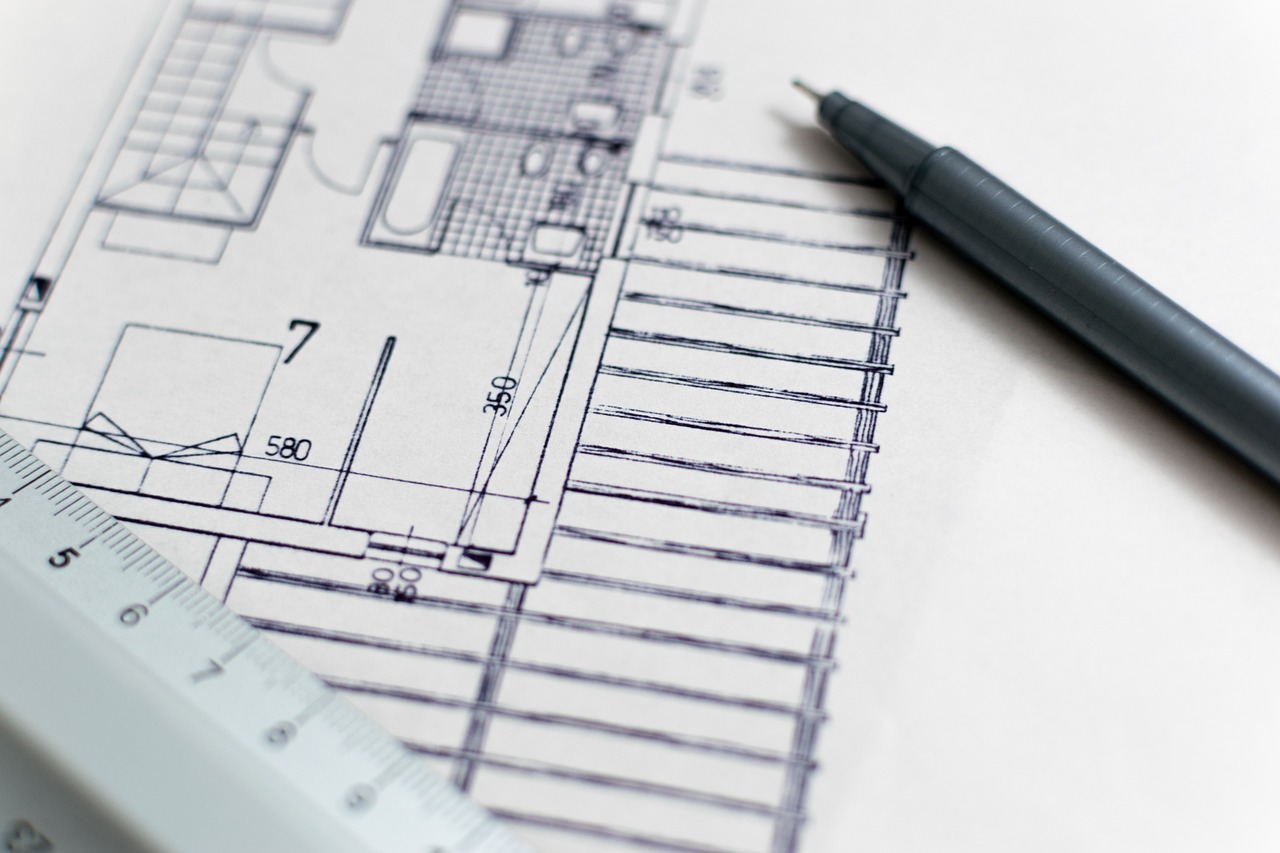
Imagine building a skyscraper without an architect's blueprint, just hoping it stands. Sounds reckless, right? Yet, in the early days of AI, we often deployed complex algorithms with similar levels of 'hope' when it came to their ethical behavior. We’d test them, sure, but what if a scenario was missed? What if a subtle bias lurked, ready to emerge when the stakes were highest?
Enter Formal Verification for AI Ethics – the blueprint for building truly trustworthy artificial intelligence. It's not just about finding bugs; it's about mathematically proving that an AI system will behave ethically, fairly, and safely under all defined conditions, even the ones we haven't explicitly tested. Think of it as an ironclad guarantee, designed into the very fabric of the AI.
What Exactly Is This "Blueprint"?
At its core, formal verification is like putting a piece of software under a powerful microscope, then running a complex mathematical proof to ensure it does exactly what it's supposed to do, and absolutely nothing it's not. For decades, this rigorous approach has been used to build ultra-reliable systems, from aircraft control software to secure financial transactions, where failure is simply not an option.
Now, we're applying this superpower to AI. Instead of just training a model and then checking for bias with a few datasets (like checking a few bricks in our skyscraper), formal verification allows us to define specific ethical properties – like "this AI will never discriminate against certain demographics" or "this self-driving car will always prioritize human life over property damage" – and then use mathematical logic to prove that the AI's underlying design and code always uphold these properties, no matter the input. It's like having a digital building inspector who can foresee every possible stress point and certify the structure's integrity before a single floor is poured.
Why This Matters: Building AI You Can Actually Trust
The implications are massive. We've all heard stories of AI systems gone awry: biased hiring algorithms, facial recognition software with racial disparities, or medical diagnostic tools that perform differently for various groups. These aren't just technical glitches; they're ethical failures with real-world consequences.
Formal verification offers a path to prevent these issues by design. It transforms AI ethics from a reactive "fix-it-later" approach to a proactive "build-it-right-from-the-start" philosophy. This means:
- Preventing Harm: Reducing the risk of discriminatory outcomes in critical areas like finance, healthcare, and justice.
- Boosting Trust: Giving individuals and institutions confidence that AI systems are fair, transparent, and accountable.
- Meeting Regulations: Helping companies navigate the rapidly evolving landscape of AI ethics laws and standards (like the EU AI Act).
- Ensuring Safety: Guaranteeing that AI in high-stakes environments, from autonomous vehicles to critical infrastructure, adheres to strict safety protocols.
It's about moving beyond good intentions and towards mathematically guaranteed ethical behavior. This is the bedrock upon which truly responsible AI will be built.
Your Career Blueprint: Navigating the Ethical AI Frontier
This isn't just a technical shift; it's a profound career opportunity. As industries demand more trustworthy AI, the need for professionals who can bridge the gap between complex algorithms and ethical guarantees will skyrocket.
Here’s how you can position yourself for this exciting future: