The End of the Heavy Lifters
For decades, our computers have been like hyper-focused accountants: incredibly fast at adding numbers, but completely baffled by anything that doesn't fit into a tidy spreadsheet. They burn through massive amounts of electricity just to guess what you’re typing or to recognize a face in a photo. But a quiet revolution is happening in how we build computer chips, inspired by the most efficient machine in the universe: the human brain.
The Beehive Analogy
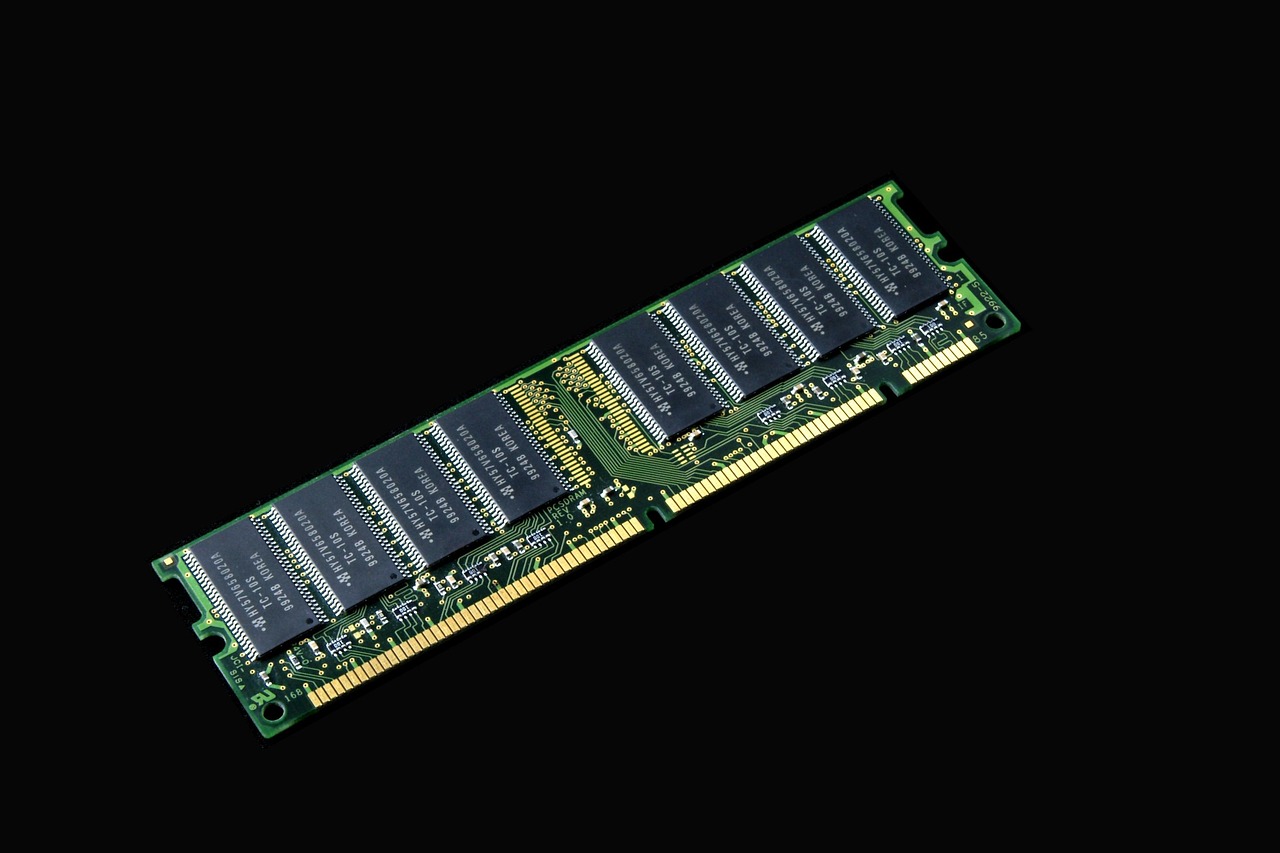
Think of your current computer as a single, overworked person running between different rooms to grab files. If they forget where they put a document, they have to start the whole search over. This is how traditional chips move data back and forth to memory. Now, imagine a beehive instead. Every bee knows exactly what to do based on simple signals from its neighbors. There is no 'boss' bee giving orders; the intelligence is spread out. This is the goal of Event-Driven Neuromorphic Hardware.
Why It Matters
Instead of constantly 'thinking' (and wasting power) even when nothing is happening, these new chips only 'wake up' when they receive a signal. If you're using a sensor to monitor a bridge for cracks, the chip stays dormant 99% of the time, only firing up when it 'feels' a vibration. It’s the difference between leaving your house lights on 24/7 and having motion-sensor lights that only glow when you walk into the room.
What This Means for You
This isn't just about longer battery life. It’s about ambient intelligence. We are moving toward a world where your clothes, your walls, and even your kitchen appliances can understand context without needing to connect to a massive, power-hungry cloud server. The 'intelligence' lives right there in the device.