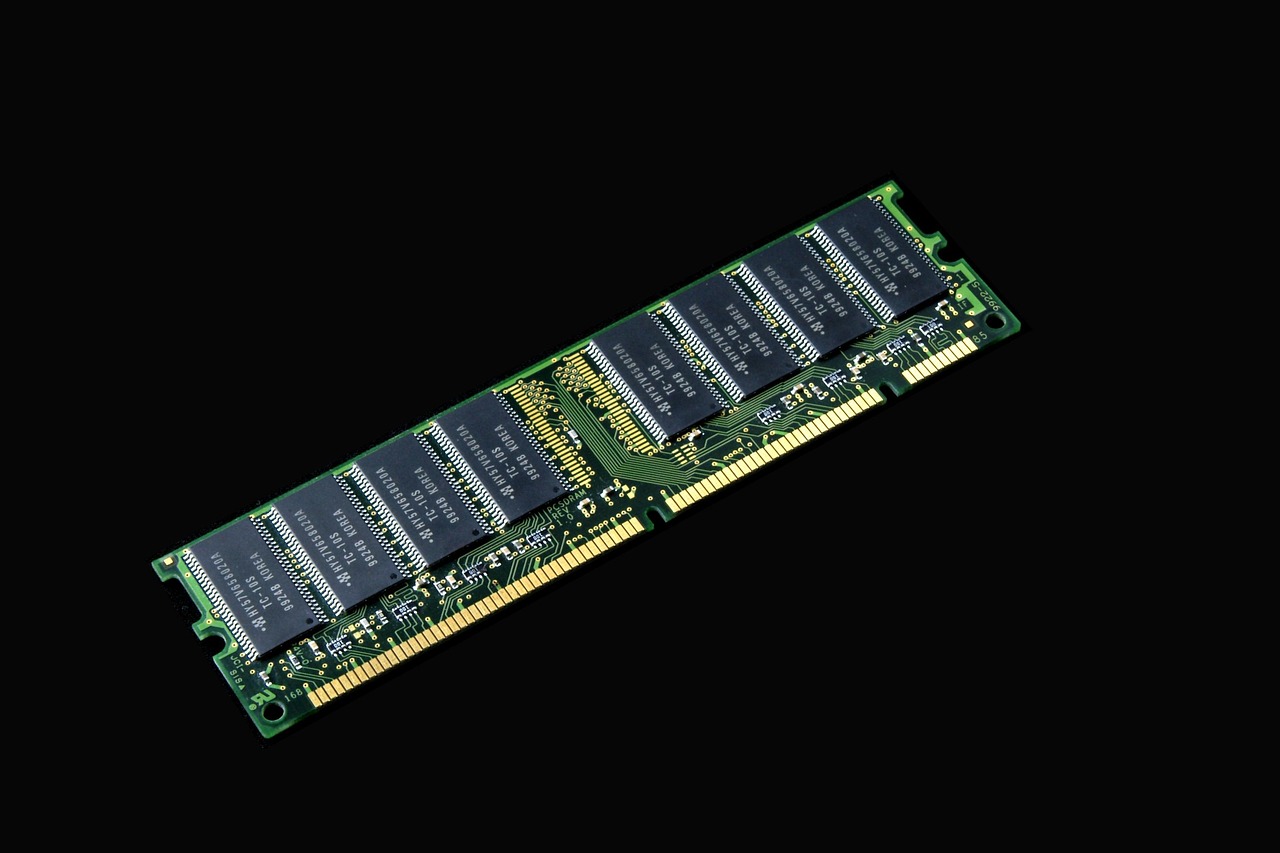
The Endless Commute for Data
Imagine a bustling restaurant kitchen. The head chef (your computer's CPU) is brilliant, fast, and can whip up amazing dishes (calculations). But every single ingredient (data) needed for every dish is stored in a separate pantry across a busy street (your computer's memory, or RAM). Every time the chef needs an egg, a vegetable, or a spice, they have to run across the street, grab it, run back, use it, and then maybe run back again to put something away. This constant running back and forth isn't just tiring; it's a massive bottleneck. The chef spends more time commuting than actually cooking!
This 'data commute' is the infamous 'memory wall' or 'Von Neumann bottleneck' that has plagued computing for decades. Your super-fast CPU often sits idle, waiting for data to arrive from memory. It's like having a Ferrari stuck in rush-hour traffic.
Enter Processing-in-Memory (PIM): When Storage Starts to Think
What if, instead of constantly sending data across the street, you put a mini-fridge and a small prep station right next to the chef? That's the core idea behind Processing-in-Memory (PIM). It’s a revolutionary approach where memory chips aren't just passive storage; they gain the ability to perform basic computations directly where the data resides.
Think of it like this: your memory modules are no longer just filing cabinets. They're now filing cabinets with built-in calculators or even tiny assistant chefs. For certain tasks, especially those involving massive amounts of data that need simple, repetitive operations (like sifting through a huge database or training an AI model), the memory can do the heavy lifting itself, without bothering the main CPU. This dramatically cuts down on the 'data commute,' saving time and energy.
Why This Matters: Speed, Efficiency, and a Smarter Future
- Blazing Speed: For data-intensive applications like Artificial Intelligence, big data analytics, scientific simulations, and real-time processing, PIM can offer incredible speedups. Imagine an AI model training in hours instead of days, or complex medical images being analyzed instantly.
- Energy Savings: Moving data consumes a lot of power. By keeping computations closer to the data, PIM significantly reduces the energy footprint of computing, which is crucial for sustainable data centers and longer battery life in devices.
- Unlocking New Possibilities: PIM isn't just an optimization; it's an architectural shift. It opens doors for specialized hardware that can handle specific workloads with unprecedented efficiency, potentially leading to breakthroughs in areas we can barely imagine today.
Your Career in the PIM Revolution: Building the Future of Compute
This isn't just about faster computers; it's about a fundamental re-thinking of how computers work, creating exciting new career paths:
- Hardware Design & Engineering: The most direct impact is on semiconductor engineers, VLSI designers, and computer architects. You'll be designing the actual PIM chips, integrating logic units directly into memory, and figuring out how to make these complex systems work efficiently.
- Systems & Software Optimization: PIM requires a new way of thinking about software. Developers will need to learn how to write code that can leverage PIM architectures. This includes compiler engineers, operating system developers, and application programmers who will optimize algorithms to run on these new hybrid chips.
- Data Science & AI Engineering: While you might not be designing the chips, understanding PIM will be crucial. Data scientists and ML engineers will need to comprehend how to structure their data and models to take full advantage of PIM's speed and efficiency, potentially leading to faster research cycles and more complex AI models.
- Research & Development: PIM is still evolving. Researchers will continue to explore new PIM architectures, materials, and programming paradigms, pushing the boundaries of what's possible in computing.
The era of the 'data commute' is slowly coming to an end. Processing-in-Memory is paving the way for a future where data doesn't just sit in memory, it actively participates in its own processing, making our digital world faster, smarter, and more energy-efficient. Get ready to be part of the change!