The Genomic Archival Imperative
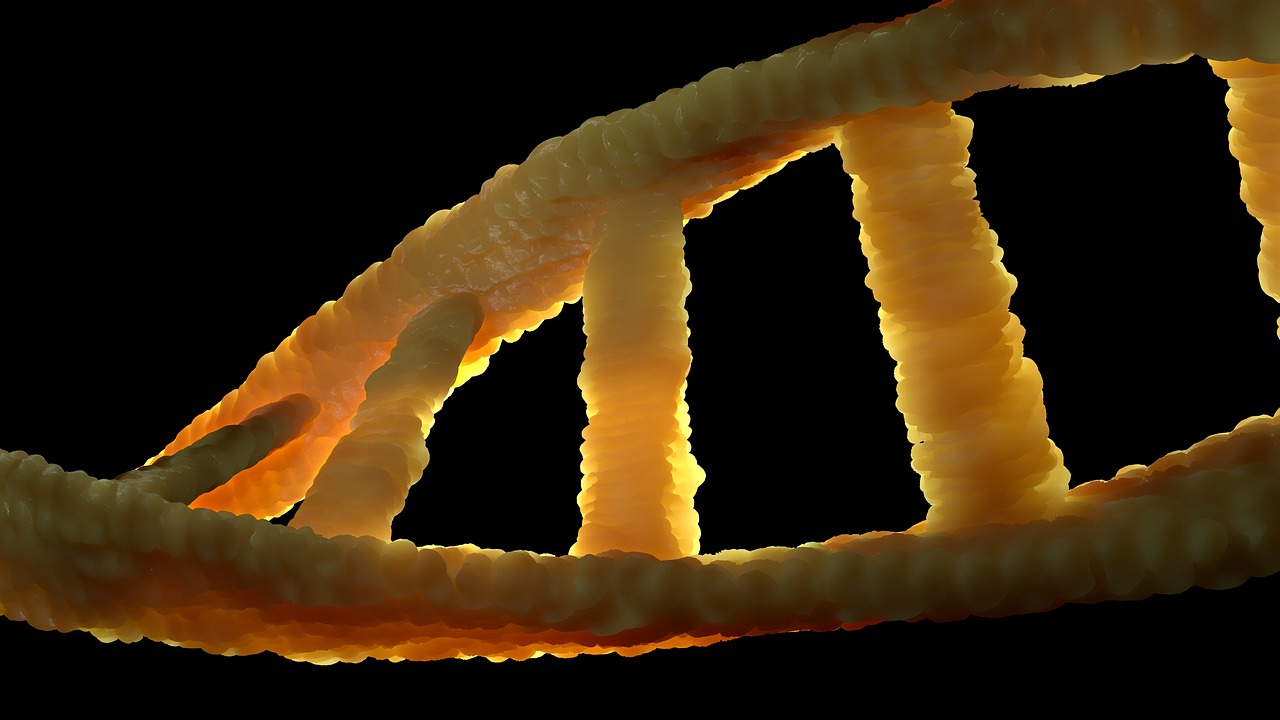
As the global data sphere expands exponentially, traditional silicon-based storage faces a looming physical density wall. Enter DNA-based molecular storage—a paradigm shift that utilizes the quaternary coding of nucleotide sequences (A, T, C, G) to achieve theoretical storage densities exceeding 10^18 bytes per cubic millimeter. 🧬
Underlying Architecture: From Bits to Bases
The architecture relies on synthesized oligonucleotide arrays. Data is encoded via a mapping algorithm that converts binary streams into DNA sequences, which are then synthesized, encapsulated, and stored in stable, anhydrous conditions. Retrieval is achieved through high-throughput sequencing and algorithmic decoding, effectively turning biology into a non-volatile, high-latency archival medium.
Why It Matters
Unlike hard drives that require constant power and periodic hardware refreshes, synthetic DNA archives are biologically inert and virtually eternal under controlled environments. This technology solves the 'bit rot' dilemma, providing a sustainable solution for the long-term preservation of institutional and scientific knowledge. 🔬
Real-World Career Impact
- Data Engineering: Transitioning from SQL/NoSQL to biochemical indexing structures.
- Bio-Informatics: Developing error-correction codes specifically for sequencing noise profiles.
- Hardware Design: Engineering microfluidic platforms for rapid DNA synthesis and enzymatic reading.