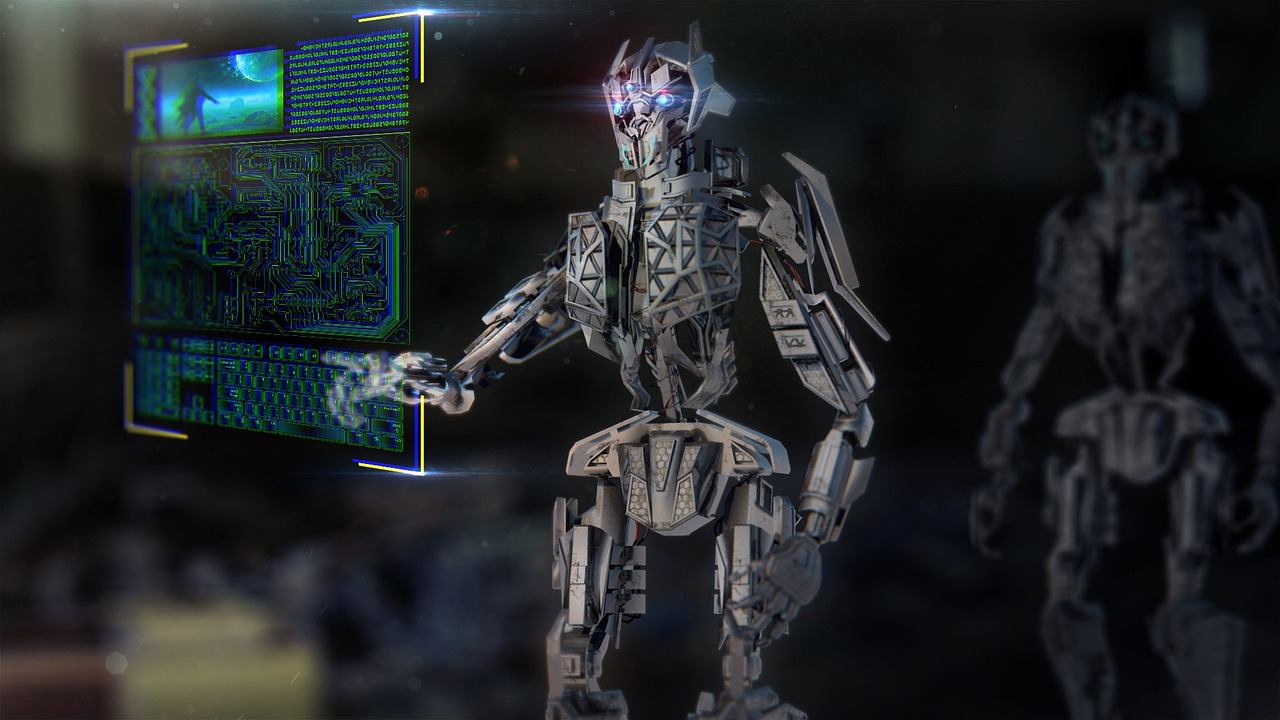
The Convergence of Neurology and Robotics
The next frontier in Industrial Human-Machine Interaction (HMI) moves beyond visual interfaces into the realm of Haptic-Cognitive Resonance. By integrating closed-loop neural feedback with high-fidelity haptic feedback, we are transitioning from 'teleoperation' to 'co-embodiment'.
Underlying Architecture
This architecture relies on Peripheral Nerve Interfaces (PNIs) that utilize sub-millisecond signal processing to synchronize mechanical actuator response with human tactile perception. By deploying low-latency spike-train decoding, the system predicts user intent before full kinetic execution, effectively minimizing the 'uncanny valley' of lag in industrial manipulation.
Why It Matters
Current HMI suffers from cognitive overhead. By offloading sensory processing to a resonance-tuned interface, operators can perceive the physical state of remote or automated assets as if they were their own limbs, drastically reducing error rates in high-precision assembly and hazardous environment maintenance.
- Reduced Cognitive Fatigue: Intuitive feedback loops negate the need for intense visual monitoring.
- Precision Amplification: Sub-threshold haptic cues allow for micro-adjustments in industrial workflows.
- Safety Integration: Instantaneous physical feedback prevents collisions via reflex-arc simulation.