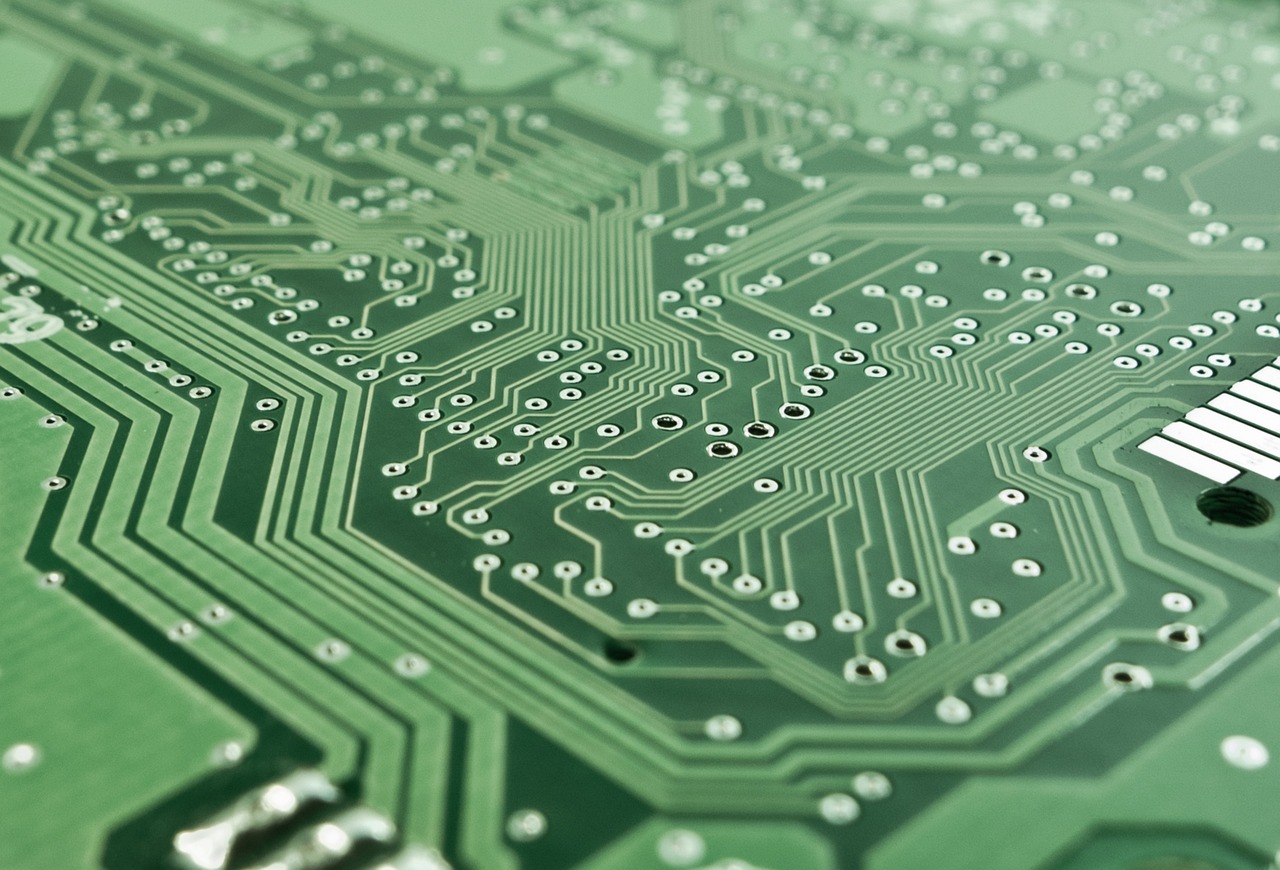
The Problem with Rigid Chips
Most computers today are like a library where every book is glued to the shelf. If you want to move a book, you have to tear the whole shelf apart. This is how current AI hardware works: it is 'static.' Once a chip is designed, it is stuck doing things one specific way. If AI models change—which they do every week—your expensive hardware becomes obsolete.
Enter In-Memory Computing
Imagine if your computer's memory wasn't just a warehouse for data, but an active participant in the math. In-memory computing moves the 'brain' (the processor) directly into the 'storage' (the memory). Instead of shipping data back and forth like a slow delivery truck, the data stays exactly where it is, and the math happens on the spot.
Why It Matters
- Energy Efficiency: Moving data is the most expensive part of computing. By stopping the movement, we save massive amounts of electricity.
- Speed: No more 'traffic jams' between your RAM and your CPU.
- Real-time Adaptation: Because these chips are flexible, they can shift their internal structure to match the specific needs of a new AI model, like a chameleon changing colors to match its environment.
What This Means for You
We are moving away from the era of 'one-size-fits-all' chips. For your career, this means the focus is shifting from simple coding to hardware-aware software engineering. If you know how to talk to these adaptable chips, you become the most valuable person in the room.