The Paradigm Shift
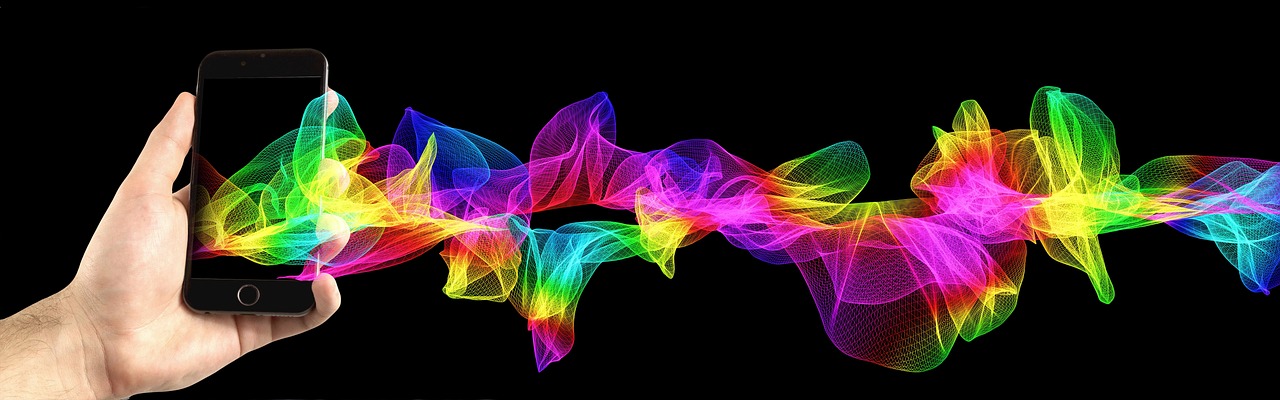
Traditional von Neumann architectures face a looming thermodynamic wall. As transistor scaling hits atomic limits, we observe a radical shift toward Harmonic Interference Computing (HIC)—a computational model that exploits the phase and frequency alignment of wave-based inputs rather than binary voltage states.
Underlying Architecture
HIC operates by mapping logic gates to destructive and constructive interference patterns within a substrate. By leveraging the superposition of coherent wavefields, we can perform complex arithmetic operations in a single clock cycle, significantly reducing latency and power consumption. This architecture replaces sequential bit-flipping with instantaneous wave-front modulation.
Why it Matters
For industry leaders, HIC represents the transition from silicon-gate dependency to signal-processing intelligence. It offers an order-of-magnitude increase in processing efficiency for signal-heavy tasks like real-time spectral analysis and high-frequency communication protocols. ⚡
- Energy Efficiency: Eliminates heat dissipation associated with electronic switching.
- Parallelism: Wave-based superposition allows for massive computational density.
- Adaptability: Reconfigurable wave-guides enable dynamic logic re-mapping.