The Silent Revolution Happening Inside Your Computer
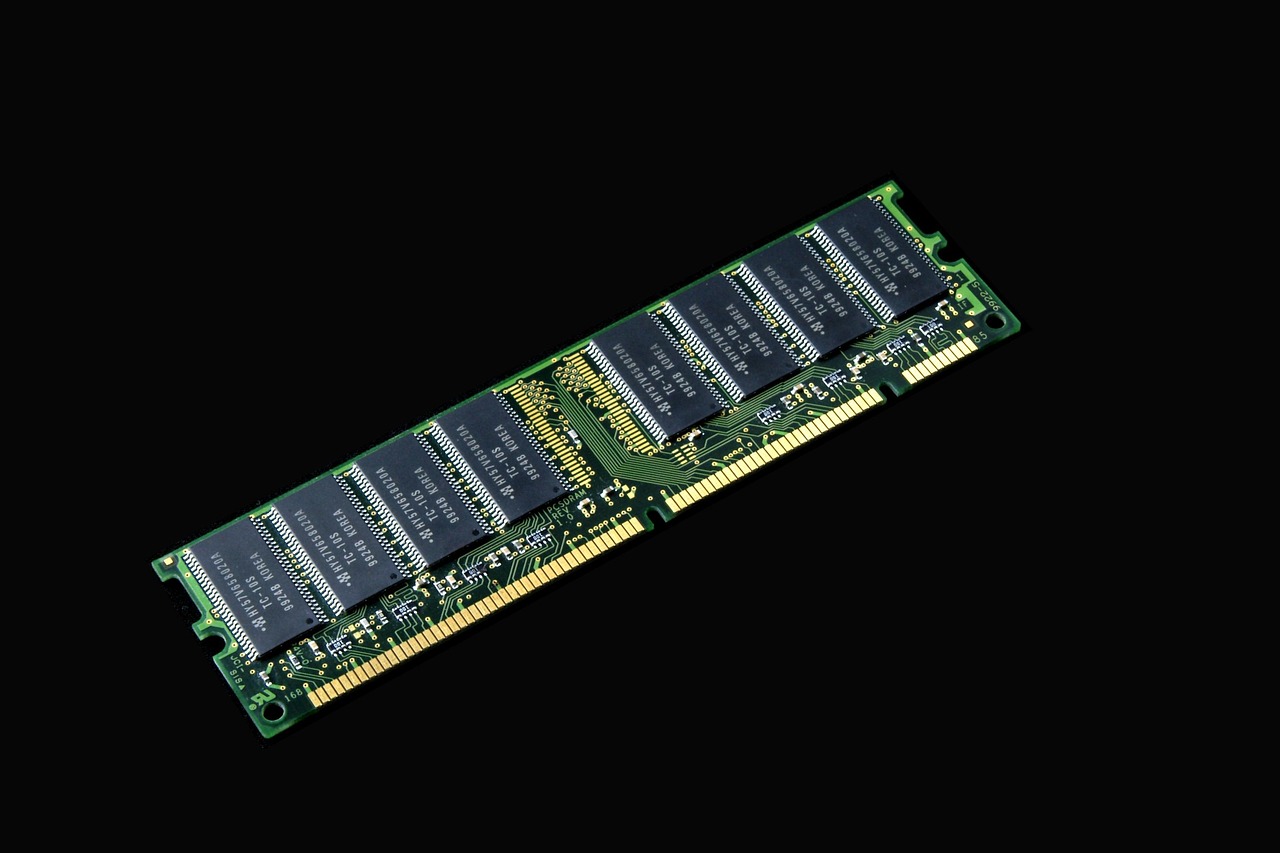
Imagine your computer's brain (the CPU) as a brilliant chef in a bustling restaurant. Now, imagine the pantry (the computer's memory, or RAM) is a long, winding hallway away. Every time the chef needs an ingredient (a piece of data), they have to stop cooking, walk all the way to the pantry, grab it, walk back, and then resume. This constant back-and-forth, known in tech circles as the 'memory wall,' wastes an incredible amount of time and energy. It's the biggest bottleneck holding back today's powerful processors.
But what if the pantry itself could do some of the work? What if, instead of just storing ingredients, it had tiny prep stations where ingredients could be chopped, mixed, or sorted right where they sit, before ever being sent to the main kitchen? This isn't science fiction; it's the groundbreaking reality of Processing-in-Memory (PIM), or In-Memory Computing. It's a fundamental shift in how hardware and software are designed to work together, bringing computation directly to the data.
Why PIM is a Game-Changer (Beyond Just Speed)
PIM isn't just about making things a little faster; it's about fundamentally rethinking the architecture of computing. Here's why it's such a big deal:
- Blazing Speed: By eliminating those countless trips between the CPU and memory, PIM dramatically reduces latency. For tasks that involve sifting through massive datasets – think big data analytics, complex financial modeling, or even certain aspects of AI inference – this means operations that once took minutes could now take seconds.
- Energy Efficiency: Moving data back and forth consumes a lot of power. By processing data where it lives, PIM systems can be significantly more energy-efficient, a crucial factor for everything from mobile devices to massive data centers.
- Unlocking New Frontiers: This newfound efficiency opens doors for applications previously limited by memory bottlenecks. Imagine real-time genomic analysis, ultra-fast database queries, or AI models running on less powerful, battery-constrained devices with unprecedented responsiveness.
- A Co-Design Renaissance: PIM isn't just a hardware trick; it demands a tight dance between hardware design and software development. Engineers must craft specialized memory chips and then build compilers, operating systems, and applications that know how to intelligently offload tasks to these 'smart' memory units. It's true hardware-software co-design in action.
How PIM Will Reshape Your Career Path
This isn't just an academic concept; it's a burgeoning field creating a wave of new opportunities across the tech landscape. If you're looking to future-proof your career, understanding PIM and related concepts is key:
- Hardware Architects & Designers: The demand for engineers who can design these innovative memory architectures, integrating processing logic directly into memory chips, will skyrocket. This requires a deep understanding of circuit design, fabrication processes, and performance optimization.
- System Software Engineers: This is where the magic truly happens. Developers skilled in operating systems, compilers, and runtime environments will be essential to create the software layers that allow applications to effectively utilize PIM hardware. Think about how to schedule tasks, manage data, and ensure seamless interaction.
- Application Developers & Data Scientists: If you work with large datasets or performance-critical applications (databases, AI/ML, scientific computing), you'll need to understand how to optimize your code to take advantage of PIM. This means rethinking data structures, algorithms, and parallel processing strategies.
- Research & Academia: The field is still relatively young, with immense potential for innovation. Researchers exploring new PIM architectures, programming models, and application domains will be at the forefront of this revolution.
PIM represents a pivotal moment in computing, moving beyond the traditional CPU-centric model. It’s a testament to how innovative hardware-software co-design can redefine what’s possible, making our digital world faster, smarter, and more efficient. Get ready for a future where your data doesn't just sit there – it thinks!