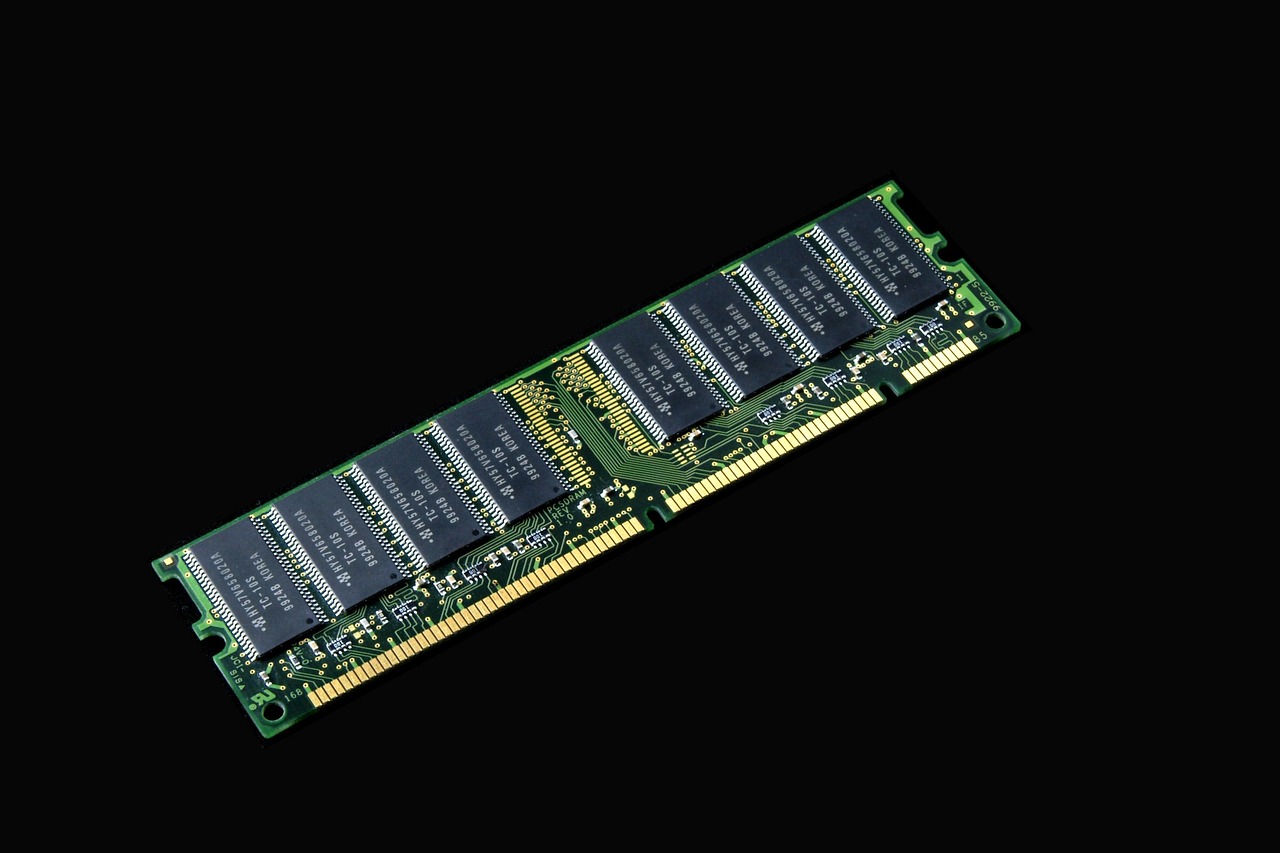
The AI Bottleneck You Didn't Know About
Ever wonder why sometimes your super-smart AI assistant or that cutting-edge image generator feels a tiny bit sluggish, or why the most powerful AI models need massive, power-hungry data centers? It often comes down to a fundamental bottleneck in how computers work, a problem engineers call the 'Von Neumann bottleneck' or the 'memory wall'.
Imagine a brilliant chef (your computer's main processor, the CPU or GPU) who's incredibly fast at cooking. But their kitchen pantry (the computer's memory) is down the hall. For every single ingredient, every little piece of data, the chef has to stop cooking, run to the pantry, grab it, run back, cook a bit, then run back for the next thing. This constant back-and-forth, this 'data shuffle,' wastes an enormous amount of time and energy, even if the chef is a culinary genius.
Enter Processing-in-Memory (PIM): The Pantry That Cooks!
What if that pantry could do some of the work itself? What if, when the chef asked for 'chopped onions,' the pantry didn't just send raw onions, but *chopped them right there* and then sent the prepped ingredient? Or, if the chef needed 'mixed spices,' the pantry mixed them before sending? This is the core idea behind **Processing-in-Memory (PIM)**, an innovative development in AI hardware.
Instead of just passively storing data and waiting for the main processor to request it, PIM hardware integrates tiny processing units directly *into* the memory chips. These memory units become 'smart' enough to perform simple computations – like adding numbers, filtering data, or even basic neural network operations – right where the data lives. This drastically cuts down on the constant 'running back and forth' between the processor and memory, making the whole system much faster and incredibly more energy-efficient, especially for the data-intensive tasks that define modern AI.
Why This Matters: AI on Steroids, Everywhere
- Blazing Fast AI: For tasks like real-time object recognition in self-driving cars, instantaneous language translation on your phone, or complex scientific simulations, PIM can provide a massive speed boost by eliminating the data transfer bottleneck.
- Energy Efficiency: Moving data consumes a lot of power. By processing data closer to where it's stored, PIM drastically reduces energy consumption. This is crucial for sustainable AI and for extending battery life in mobile devices.
- AI Everywhere: Think about running sophisticated AI directly on tiny sensors, smart appliances, or even medical implants without needing to send data to the cloud. PIM makes powerful 'edge AI' more practical and pervasive. This means more personalized, private, and responsive AI experiences.
Your Career in the PIM Era: Get Ready to Build the Future
This isn't just a tweak; it's a fundamental shift in computer architecture. As PIM gains traction, it will open up exciting new career paths and demand new skill sets:
- Hardware Architects & Engineers: Designing these integrated memory-processor units, optimizing their layout, and figuring out how to manufacture them will be a top priority.
- Firmware & System Software Developers: You'll be writing the low-level code that helps the main processor communicate efficiently with these 'smart' memory units, ensuring seamless operation.
- AI Model Optimization Specialists: Understanding how to structure AI algorithms to take maximum advantage of PIM architectures will be a highly sought-after skill. This means thinking about data flow and computation placement.
- Application Developers: As PIM-enabled hardware becomes more common, developers will need to learn how to leverage its unique capabilities to build faster, more efficient, and more responsive AI-powered applications.
The future of AI isn't just about bigger models; it's about smarter, more efficient hardware foundations. PIM is one of those foundational shifts, promising to unlock AI's true potential and bring intelligent capabilities closer to us than ever before. It's time to get curious, get learning, and get ready to be part of this revolution.