The Shape of Tomorrow's Cures
Imagine trying to find the perfect key for a lock, but you can't see either the key or the lock. You're just blindly trying millions of shapes. That's a bit like traditional drug discovery. It's an incredibly complex, time-consuming, and expensive endeavor, often taking over a decade and billions of dollars to bring a single new medicine to patients.
But what if you had X-ray vision, a 3D scanner, and a super-smart assistant who could instantly tell you which key fits which lock, even designing new keys from scratch? Welcome to the world of Geometric Deep Learning (GDL) in medicine – an innovative branch of AI that's giving us exactly that kind of superpower for understanding and designing molecules.
What's This 'Geometric' Magic?
Think of molecules as tiny, intricate 3D sculptures. Their shape, the way their atoms are arranged, and how they interact with other molecules (like a drug binding to a disease-causing protein) are absolutely critical. Traditional AI often struggles to 'see' these shapes and relationships effectively. It treats data like flat spreadsheets, losing all that vital 3D context.
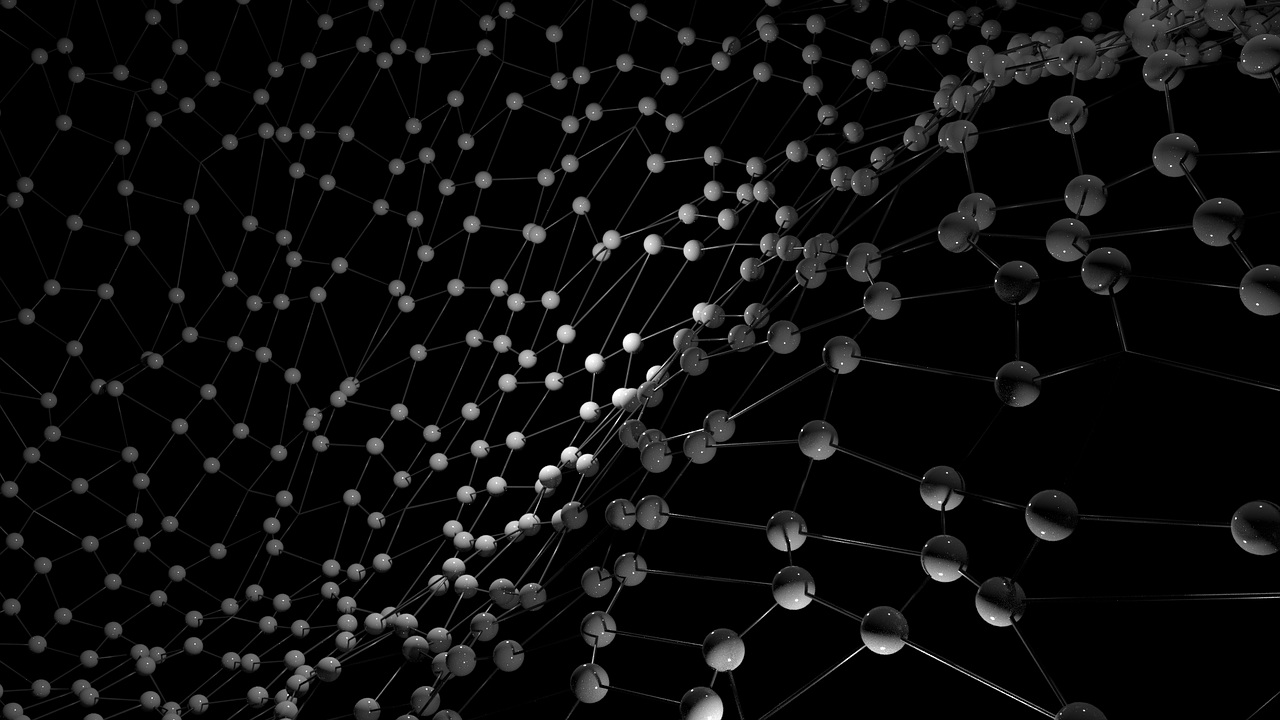
Geometric Deep Learning is different. It's built to understand data that has an inherent geometric structure. Instead of just numbers, it processes information about points, connections, and surfaces – like a sophisticated GPS system for molecules. It can represent a protein or a drug candidate not just as a list of atoms, but as a complex graph or a 3D mesh, capturing how every part relates to every other part in space.
Analogy time: Imagine you're describing a human face. A regular AI might get a list of features: 'two eyes, one nose, one mouth.' GDL, however, would analyze the *spatial relationships*: 'eyes are above the nose, nose is between the cheeks, mouth is below the nose,' and understand the overall contour and structure of the face. This allows it to recognize patterns and make predictions based on the fundamental 3D reality of the object.
Why This Matters: Reshaping Medicine at Molecular Scale
The implications of this molecular cartography are staggering:
- Accelerated Drug Discovery: GDL can rapidly screen billions of potential drug candidates, predict how they'll interact with disease targets, and even *design* entirely new molecules with desired properties. This drastically cuts down the time and cost of getting new drugs to market.
- Tackling 'Undruggable' Diseases: Many diseases remain incurable because we haven't found molecules that can effectively target their underlying mechanisms. GDL offers a new lens to explore chemical space and design therapies for these challenging conditions.
- Personalized Medicine: By analyzing an individual's unique biological makeup (e.g., specific protein mutations), GDL could help design drugs tailored precisely for them, maximizing effectiveness and minimizing side effects.
- Understanding Biology Deeper: Beyond drugs, GDL helps us unravel the fundamental mechanisms of life itself, from protein folding (how proteins achieve their 3D shape) to complex cellular interactions, opening doors to entirely new biological insights.
Your Career Blueprint: Navigating the Molecular Frontier
This isn't just a scientific breakthrough; it's a massive career opportunity. The demand for professionals who can bridge the gap between AI, chemistry, and biology is exploding. Here's how you can prepare: