The Data Deluge: A Crisis in the Making
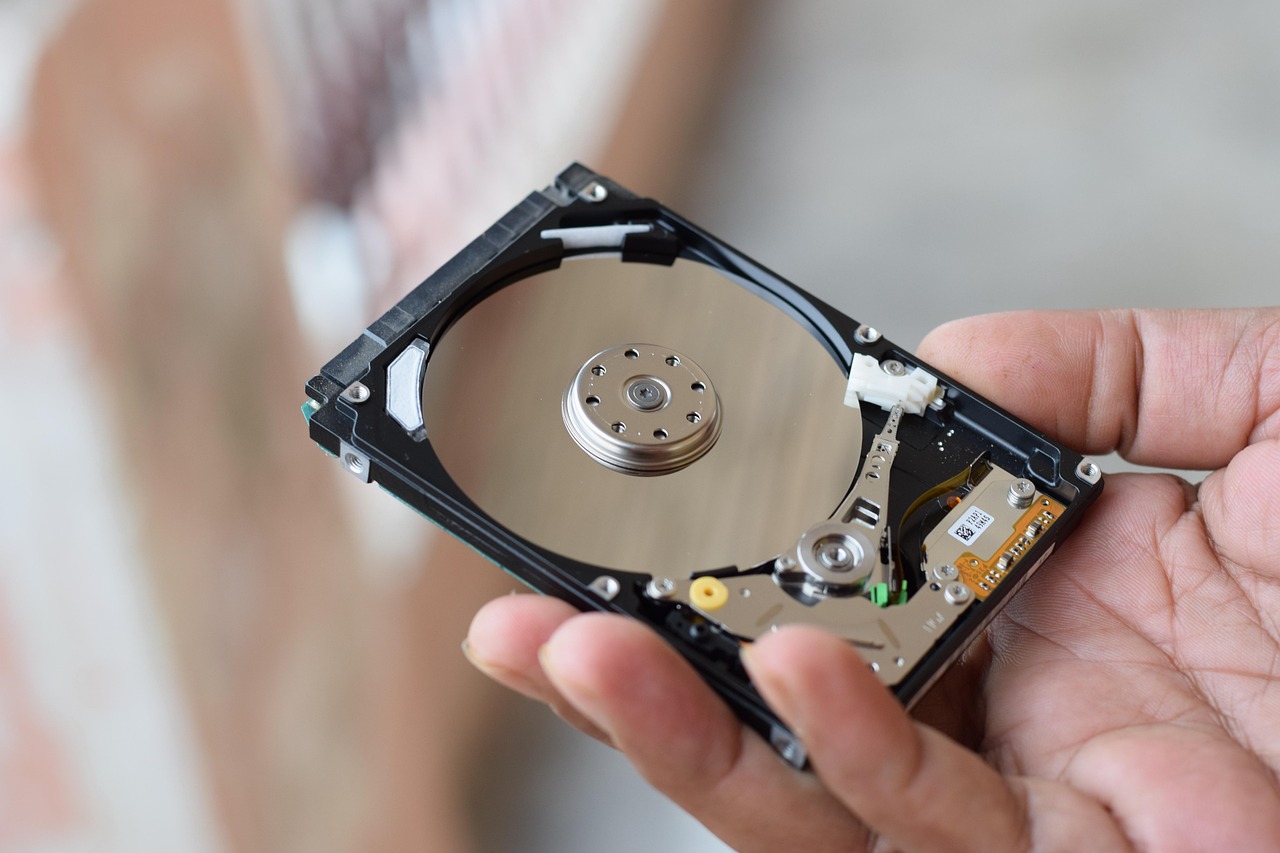
Imagine trying to fit all the world's books, movies, photos, and endless cat videos into your tiny apartment. That's essentially the problem our digital world faces right now. Every day, we generate an astronomical amount of data – petabytes, exabytes, zettabytes! Our current data centers, those massive, humming warehouses full of spinning hard drives and flashing silicon, are struggling to keep up. They consume vast amounts of energy, take up huge physical spaces, and have a shelf life that's surprisingly short, requiring constant migration and maintenance. We're on a collision course with a data storage crisis, and we need a radical solution.
What if Life Itself Held the Key?
Enter DNA. Yes, the very molecule that carries the genetic instructions for all known life forms on Earth is poised to become the ultimate data storage medium. Think of it as nature's own microscopic hard drive, perfected over billions of years of evolution. This isn't science fiction; it's biocomputing's next frontier: DNA data storage.
Here’s the simple breakdown:
- What is it? Instead of storing information as 0s and 1s on magnetic disks or flash drives, scientists are encoding digital data (like a photo or a text file) into sequences of synthetic DNA. Remember those four letters of DNA – A, T, C, G? We can assign a binary code to them. For example, A and T could represent 0, and C and G could represent 1. By creating long chains of these chemical 'letters' in a specific order, we can effectively write any digital information into a biological molecule.
- How does it work? It's like turning your digital photo into a very long, very specific genetic barcode. First, your digital file is converted into a DNA sequence. Then, specialized machines (DNA synthesizers) physically 'print' these DNA strands. To read the data back, these strands are sequenced, and the genetic code is translated back into the original digital file.
Why DNA Matters: Beyond the Hype
This isn't just a clever trick; it's a game-changer with profound implications:
- Unfathomable Density: Imagine storing all the data ever created by humanity in a volume smaller than a sugar cube. DNA's information density is mind-bogglingly high. A single gram of DNA can theoretically store hundreds of exabytes of data. That's like fitting millions of traditional hard drives into the palm of your hand.
- Eternal Archive: DNA is incredibly stable. Think about mammoths preserved in permafrost for tens of thousands of years, their DNA still intact. Unlike silicon chips that degrade or magnetic tapes that need to be refreshed every few decades, DNA can last for millennia without power, making it perfect for ultra-long-term archival storage.
- Green Computing: Once written, DNA data requires virtually no energy to maintain. Compare that to the massive power consumption and cooling systems of today's data centers. This could dramatically reduce the carbon footprint of our digital infrastructure.
- Future-Proof: As long as life exists, we'll have the technology to read DNA. It's a universal biological language, making it a truly future-proof storage medium.
The Road Ahead: Challenges and Opportunities
While the promise is immense, DNA storage isn't ready for your laptop yet. The current challenges include the cost and speed of writing (synthesizing) and reading (sequencing) DNA, as well as developing robust error correction mechanisms. But these are engineering challenges, and progress is rapid.
Your Career in the Biocomputing Frontier
This emerging field isn't just for biologists or computer scientists; it's a melting pot of disciplines. If you're looking to future-proof your career, DNA data storage offers exciting new avenues:
- Bioinformaticians: Designing encoding and decoding algorithms, developing error correction strategies for DNA data.
- Synthetic Biologists & Molecular Engineers: Innovating new ways to synthesize and sequence DNA more efficiently and cost-effectively.
- Data Architects & Storage Engineers: Integrating DNA storage into existing data management systems, designing hybrid storage solutions.
- Automation & Robotics Engineers: Building the next generation of automated lab equipment for DNA synthesis and sequencing at scale.
- Biosecurity & Data Integrity Specialists: Ensuring the security and integrity of data stored in biological formats.
- Materials Scientists: Developing novel encapsulation methods to protect DNA strands for even longer storage and easier handling.
The future of data isn't just digital; it's biological. By understanding this revolutionary shift, you can position yourself at the forefront of a career wave that promises to reshape how we store and interact with information for generations to come.