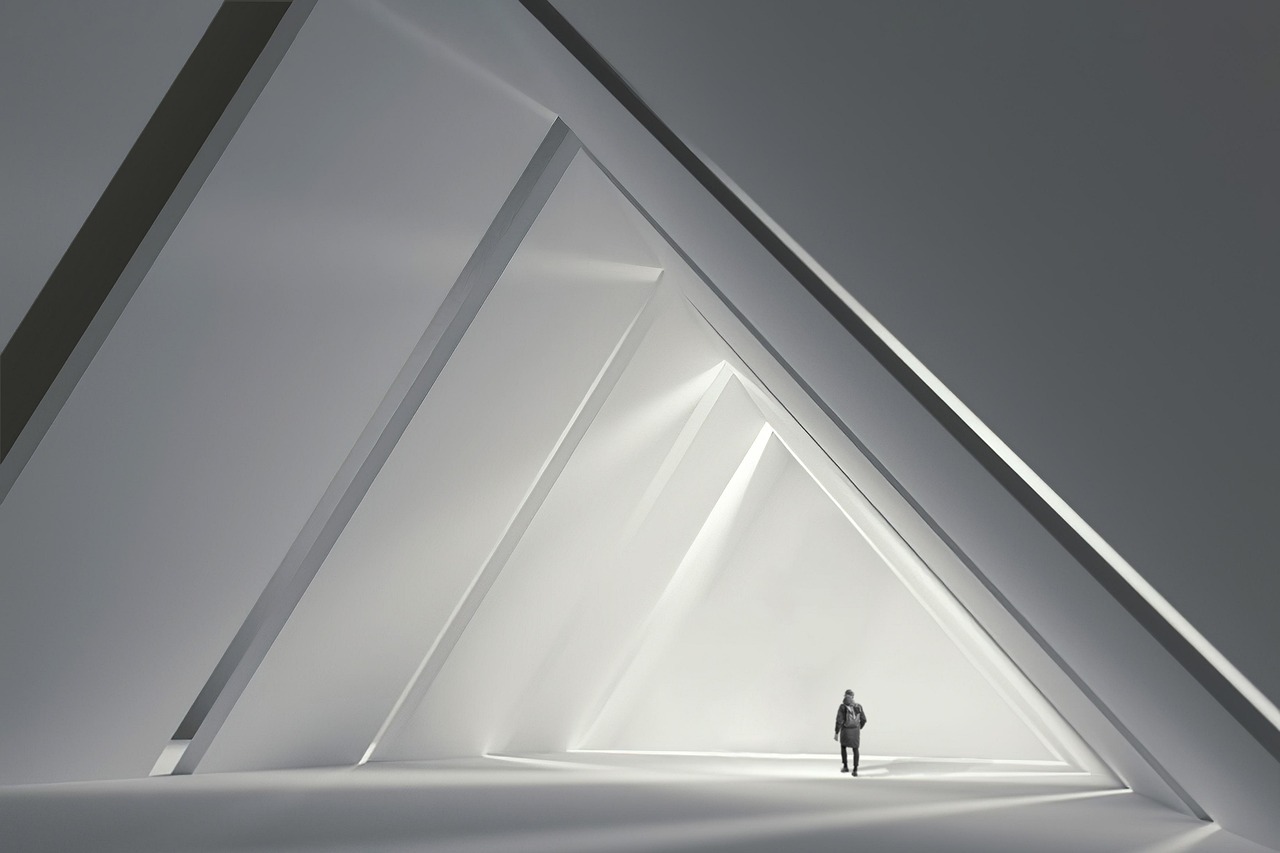
The Paradigm Shift
Generative media has long struggled with the 'locked-in' nature of lighting within latent spaces. Once a scene is rendered, the illumination is baked into the pixel distribution. Neural Relighting changes this, utilizing spherical harmonic decomposition to allow for dynamic, real-time adjustment of light sources post-generation.
Underlying Architecture
Unlike standard diffusion models that treat scenes as static manifolds, Neural Relighting employs an intermediate Surface Normal Map and Albedo Estimation layer. By leveraging Differentiable Rendering, the system separates diffuse and specular components, enabling users to re-render synthetic media as if it were a 3D asset, even from 2D input.
Why It Matters
This breakthrough enables film, gaming, and advertising professionals to decouple the generative process from final production polish. It turns static AI generations into interactive light-responsive environments, bridging the gap between flat pixels and volumetric production.
- Dynamic Control: Adjust ambient, point, and directional lights post-generation.
- Production-Ready: Outputs consistent with standard CGI lighting passes.
- Efficiency: Eliminates the need for re-prompting when lighting conditions fail.