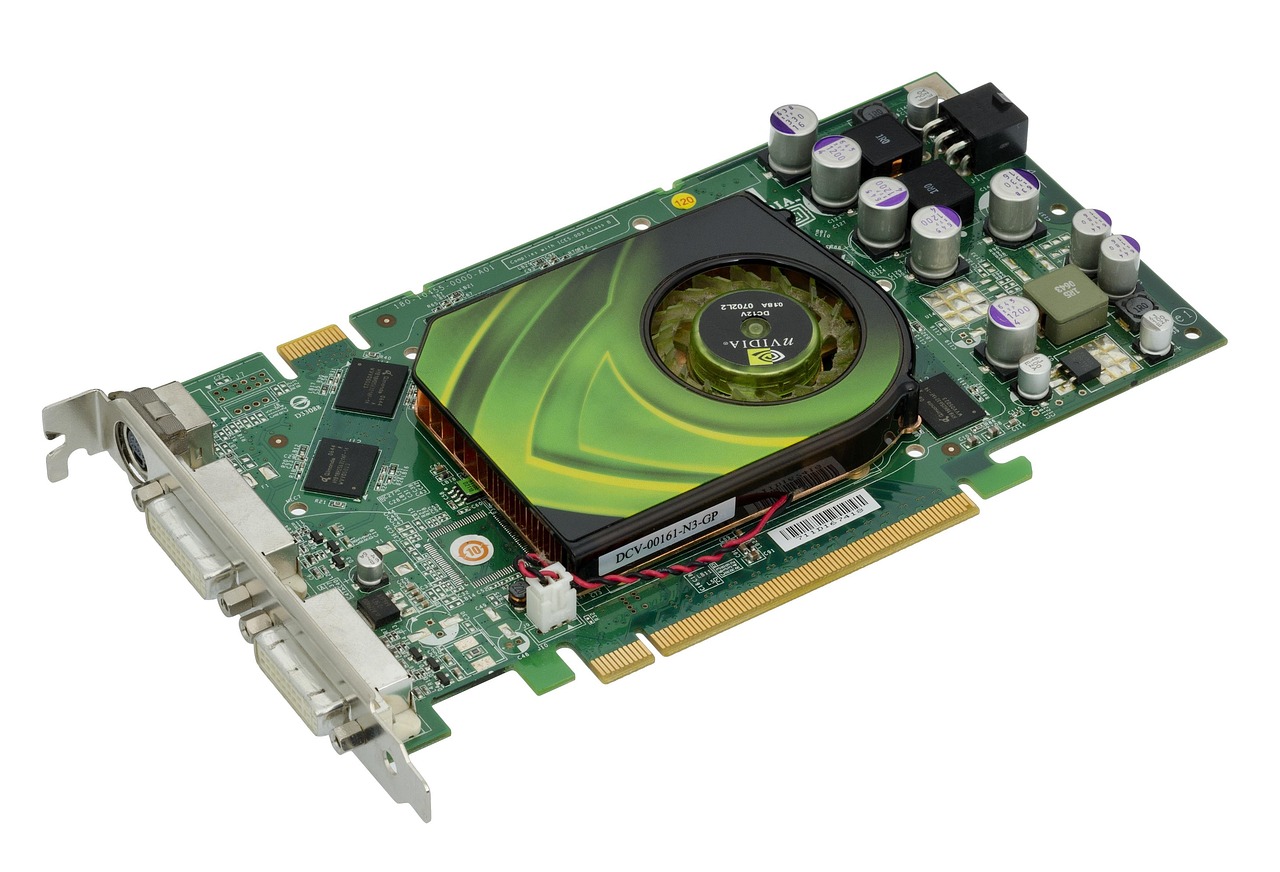
In a major announcement at the AI Summit in Tokyo, NVIDIA and SoftBank have successfully piloted the world’s first combined AI and 5G network, known as 'Artificial Intelligence Radio Access Network' (AI-RAN). This architecture leverages NVIDIA’s accelerated computing platforms to process both 5G signals and AI workloads simultaneously on the same infrastructure. By shifting away from dedicated hardware for telecommunications, this move allows telcos to transform base stations into generative AI inference engines, effectively creating a decentralized, massive-scale edge computing grid. This integration is set to revolutionize autonomous vehicle guidance, industrial robotics, and remote surgery by providing the ultra-low latency required for real-time AI processing at the network edge.
🚀 Career Roadmap: How to Adapt?
To capitalize on the convergence of Telco-AI, professionals should: 1. Master 5G/6G network architecture and O-RAN (Open Radio Access Network) standards. 2. Develop proficiency in NVIDIA CUDA and edge-AI deployment frameworks like NVIDIA Metropolis or Holoscan. 3. Study distributed computing and latency-sensitive inference optimization. 4. Gain certification in cloud-native network functions (CNFs) using Kubernetes. 5. Familiarize yourself with signal processing algorithms and how they map to GPU-accelerated pipelines.