What is This Magic? Power's Hidden Components Get a Makeover
Imagine your smartphone, electric car, or even the massive servers in a data center. All these devices need a constant, precise flow of electricity. But the power coming from the wall isn't always what the device needs; it's like trying to feed a baby with a fire hose. That's where 'power electronics' comes in – it's the unsung hero that takes raw electricity and converts it into the exact voltage and current a device requires, efficiently and safely.
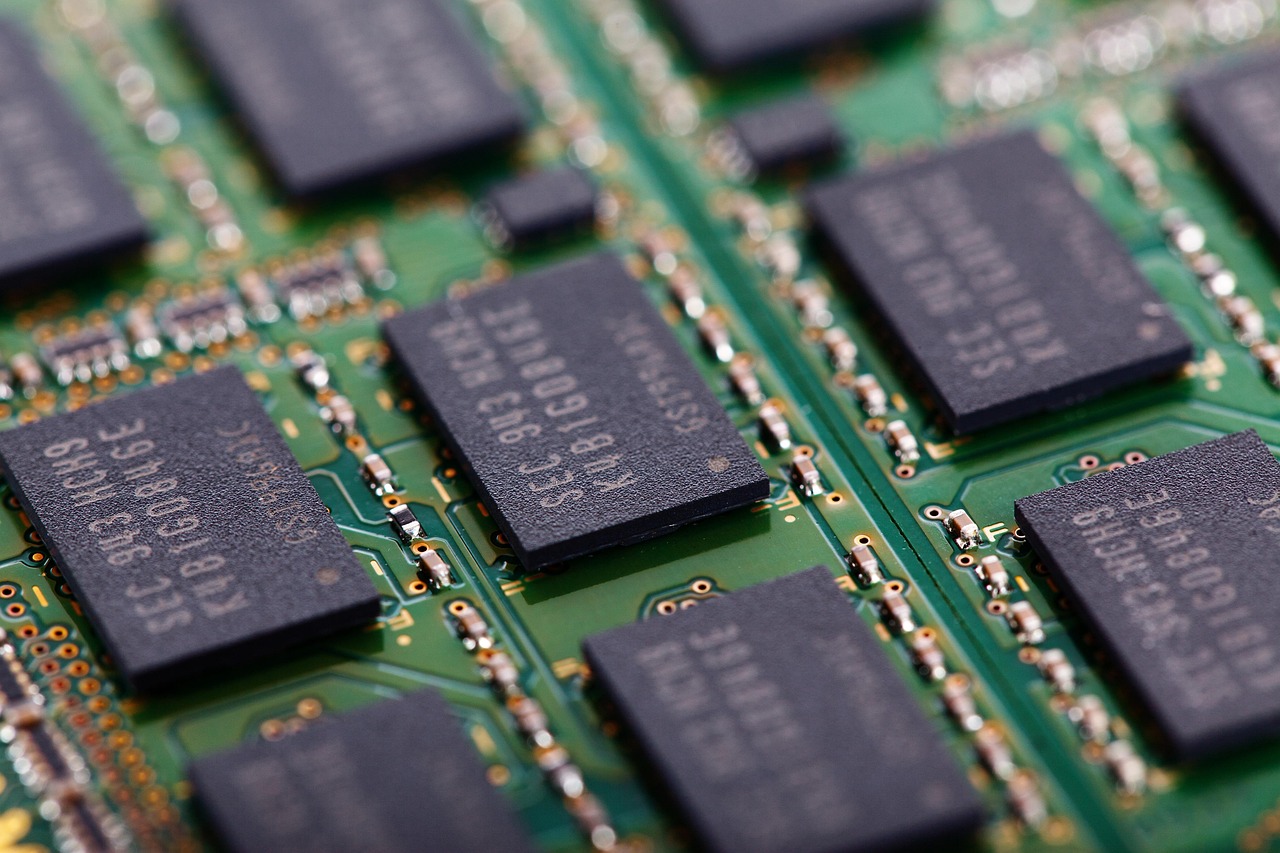
For decades, these power converters have relied on bulky, separate components, especially 'magnetics' – things like inductors and transformers. Think of them as the unsung heavy lifters, essential for storing and transforming energy, but also taking up a lot of space. Now, a quiet revolution is underway: **Integrated Magnetics**. Instead of these magnetic components being separate, chunky parts, engineers are finding clever ways to build them directly *into* the power converter's circuit board or even within the same compact package as other silicon chips.
Think of it like this: Instead of having a separate blender, toaster, and coffee maker cluttering your kitchen counter, imagine a single, sleek 'smart kitchen hub' that performs all these functions, perfectly integrated and taking up a fraction of the space. That's the essence of integrated magnetics for power electronics – making power conversion smaller, smarter, and more powerful by combining essential functions.
Why Does This Invisible Innovation Matter So Much?
The implications of this shift are profound and touch nearly every aspect of our tech-driven lives:
- Miniaturization on Steroids: Smaller magnetic components mean smaller power converters. This is critical for everything from slimmer laptops and wearable tech to more compact electric vehicle powertrains and even smaller, more discreet medical implants.
- Turbocharged Efficiency: When components are integrated, the electrical pathways between them are much shorter. This reduces energy loss, meaning less heat generated and more power delivered where it's needed. For you, this translates to longer battery life in your devices and lower electricity bills for your home and data centers.
- Performance Boost: Integrated magnetics allow power converters to operate at much higher frequencies. This isn't just a technical detail; it means faster power delivery, better regulation, and overall superior performance for sensitive electronics.
- Manufacturing Simplicity: Fewer discrete components to assemble means a simpler, more automated manufacturing process, potentially leading to lower costs and increased reliability over time.
- Paving the Way for New Tech: By making power conversion so compact and efficient, integrated magnetics unlocks possibilities for devices and applications that were previously impractical due to size or power constraints. Think truly ubiquitous IoT devices, advanced robotics, and next-gen aerospace tech.
Your Career Path in Power's New Frontier
The shift towards integrated magnetics isn't just an engineering marvel; it's creating a demand for new skills and expertise across various fields. If you're looking to future-proof your career or pivot into a high-impact area, here's how this trend translates into opportunities:
- Electrical & Power Electronics Engineers: This is ground zero. Expertise in power converter design, high-frequency operation, and thermal management is crucial. Understanding how to integrate magnetic structures onto PCBs or within packages is a highly sought-after skill.
- Materials Scientists & Engineers: The performance of integrated magnetics hinges on advanced materials. Developing new soft magnetic materials, thin films, and high-temperature substrates is a cutting-edge field with immense potential.
- Electromagnetic (EM) Simulation & Design Engineers: Designing these complex integrated structures requires sophisticated simulation tools. Proficiency in software like Ansys Maxwell, COMSOL, or similar EM field solvers is invaluable.
- Packaging & Thermal Management Engineers: Cramming more power into smaller spaces generates heat. Experts in advanced packaging techniques and efficient thermal dissipation are essential to ensure reliability and performance.
- Manufacturing & Process Engineers: New integration techniques require innovative manufacturing processes, from advanced PCB fabrication to specialized assembly and testing methodologies.
- Software Developers (Tooling): Creating the next generation of design automation and simulation tools for integrated power solutions will be a growing area.
- Technicians & Prototypers: Skilled individuals for building, testing, and troubleshooting these highly compact and complex power modules will always be in demand.
Integrated magnetics is more than just a niche development; it's a fundamental evolution in how we manage and deliver power. For those ready to dive in, it offers a chance to shape the physical backbone of our increasingly electric and digital world.