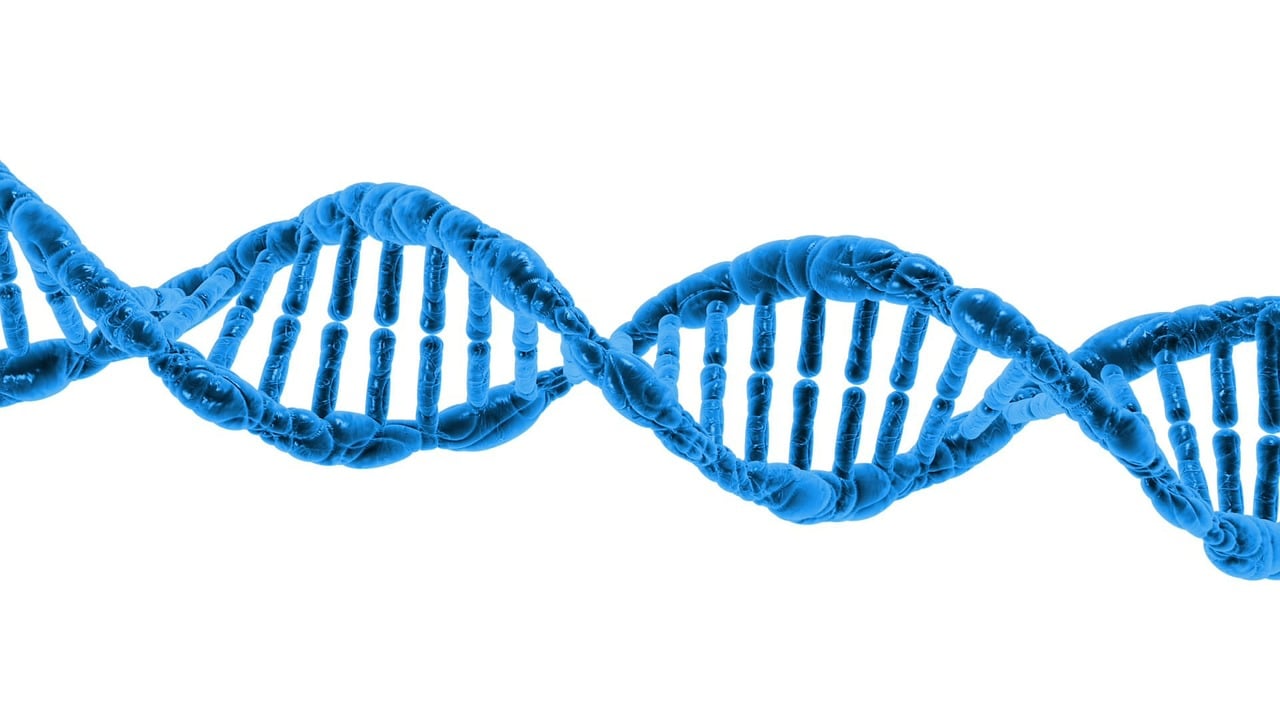
The Paradigm of DNA-Based Storage
As global data production approaches the zettabyte scale, silicon-based storage faces a thermodynamic wall. 🧬 The emerging field of Bio-Digital Infrastructure introduces synthetic gene-circuit memory, a method leveraging the chemical stability of nucleotide sequences to store binary information at densities unattainable by magnetic or optical media.
Underlying Architecture
The architecture relies on enzymatic synthesis and sequencing (ESS) cycles. Information is encoded via the phosphoramidite method, where digital bitstreams are mapped to A, C, T, and G base pairs. 🧫 Unlike traditional hardware, this storage medium is intrinsically passive, requiring no power to maintain data integrity over millennia, provided the molecular environment remains desiccated.
Why it Matters
This development signifies a shift from 'live' compute to 'archival' compute. For hyperscale data centers, transitioning cold storage to synthetic DNA substrates reduces physical footprint by orders of magnitude while ensuring data permanence that transcends the shelf-life of current CMOS-based NAND flash architectures.
Real-World Career Impact
Professionals must bridge the gap between traditional data engineering and bioinformatics. The emergence of the 'Bio-Data Architect' role requires proficiency in error-correction coding adapted for biological noise, specifically addressing substitution and indel errors inherent in synthetic DNA synthesis.
- Durability: DNA storage offers a half-life measured in thousands of years.
- Density: Current theoretical limits allow for petabytes of data per gram of DNA.
- Sustainability: Zero-energy maintenance for inactive data sets.