The E-Waste Mountain: A Growing Problem
Take a look around. How many electronic gadgets do you own? Your smartphone, laptop, smartwatch, earbuds, smart home devices… the list goes on. Each one of these is a marvel of modern engineering, but they all share a dirty secret: an expiration date. When they die, or you upgrade, they often become 'e-waste' – a toxic cocktail of plastics, precious metals, and hazardous chemicals that piles up in landfills, polluting our planet and draining finite resources. It’s a mountain that grows bigger every year, and it’s a problem that traditional recycling struggles to keep up with.
Enter the Compostable Circuit: Tech's Ultimate Green Makeover
But what if your next smartphone could, quite literally, return to the earth? Imagine tossing your old earbuds into your compost bin, knowing they would safely break down, enriching the soil instead of poisoning it. This isn't science fiction; it's the groundbreaking promise of biodegradable electronics and compostable circuits. Think of it like a banana peel versus a plastic bag. A banana peel, given time, breaks down naturally into harmless components. A plastic bag? It sticks around for centuries. Traditional electronics are like plastic bags. Compostable electronics aim to be the banana peel of the tech world.
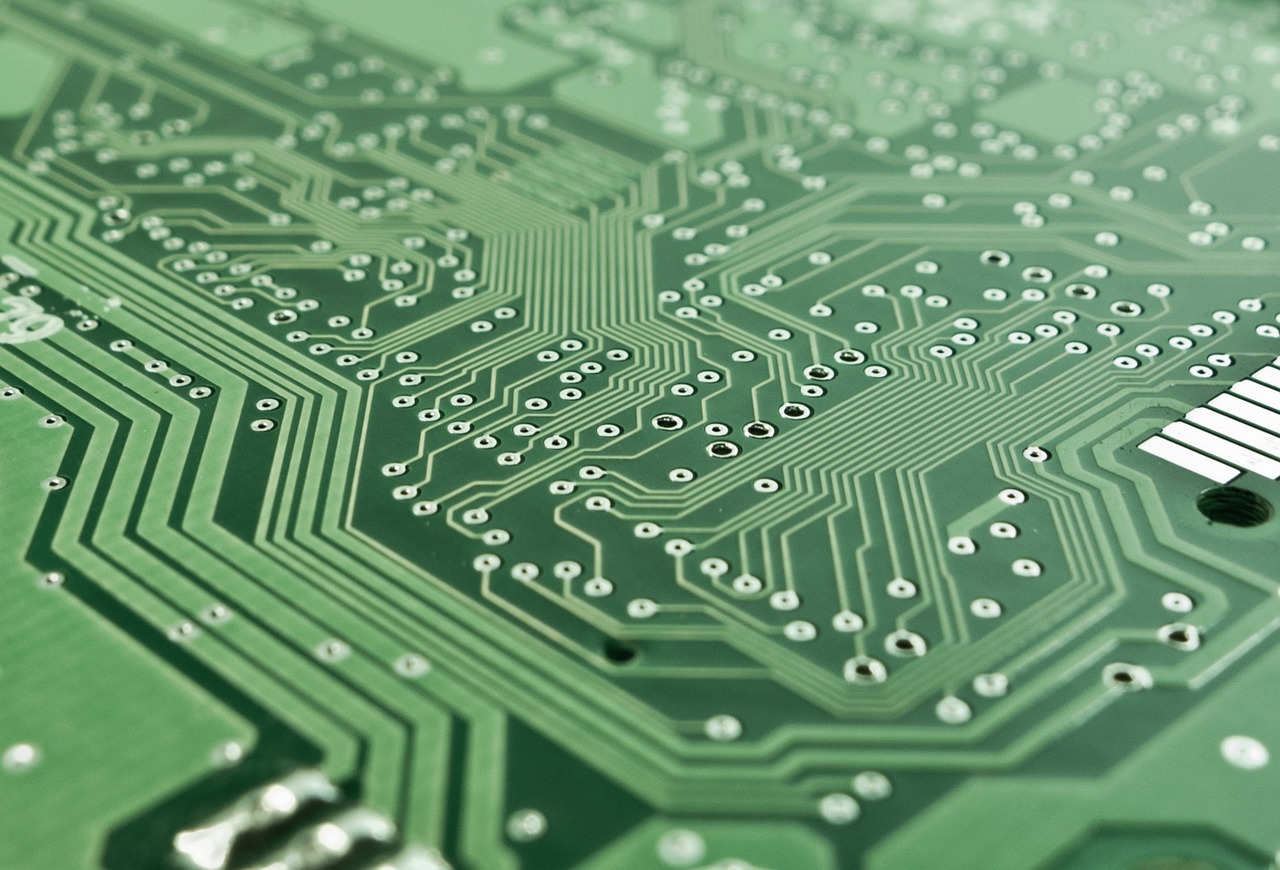
So, how does it work? Scientists and engineers are re-imagining every single component of our devices. Instead of conventional plastics, they're developing bioplastics derived from plants like corn or algae. Metal components are being replaced with conductive inks made from carbon or even specially engineered proteins. Even the tiny circuit boards, the 'brains' of our gadgets, are being fabricated using substrates that can dissolve or biodegrade under specific conditions, leaving behind no harmful residue.
Why Does This Matter (Beyond a Cleaner Planet)?
Beyond the obvious environmental benefits – drastically reducing e-waste, conserving precious raw materials, and cutting down on pollution – this shift has profound implications:
- Resource Independence: Less reliance on mining rare earth elements, which often come with significant environmental and ethical costs.
- Circular Economy Boost: It's the ultimate 'cradle-to-cradle' design, where products are designed to be nutrients for the next cycle, not waste.
- Innovation Explosion: This isn't just swapping out materials; it's a complete rethink of how we design, manufacture, and use electronics, sparking entirely new industries and technologies.
- Consumer Choice: Imagine choosing devices not just for their features, but for their end-of-life impact. This empowers consumers to drive real change.
Your Career Path: Building a Greener Future, Byte by Byte
This isn't just a niche trend; it's a fundamental shift that will reshape the tech industry. For those looking to make an impact and build a future-proof career, the opportunities are immense:
- Material Scientists & Chemists: You'll be the pioneers, discovering and engineering the next generation of biodegradable polymers, conductive inks, and sustainable substrates.
- Product Designers & Industrial Engineers: Your challenge will be to create devices that not only perform brilliantly but are also inherently designed for disassembly and biodegradation, without compromising aesthetics or functionality.
- Manufacturing & Process Engineers: You’ll innovate new production lines that can handle novel materials and processes, optimizing for both efficiency and environmental impact.
- Supply Chain & Sustainability Specialists: Managing the flow of these new materials, ensuring ethical sourcing, and developing robust end-of-life collection and composting systems will be critical.
- Software Developers & UI/UX Designers: Even if you're not touching hardware, understanding these shifts will inform how you design apps and user experiences that encourage sustainable device use and upgrades.
The future of tech isn't just about faster, smaller, or smarter; it's about cleaner, greener, and more responsible. Are you ready to help build it?