The Brain's New Blueprint: When Memory Gets Smart
Imagine you're baking a cake. You wouldn't gather all your ingredients from the pantry, carry them to the living room to mix, then take them to the kitchen to bake, right? You'd do most of the work right there in the kitchen, where everything is close at hand. This intuitive idea is at the heart of one of the most exciting breakthroughs in Artificial Intelligence hardware: Processing-in-Memory (PIM).
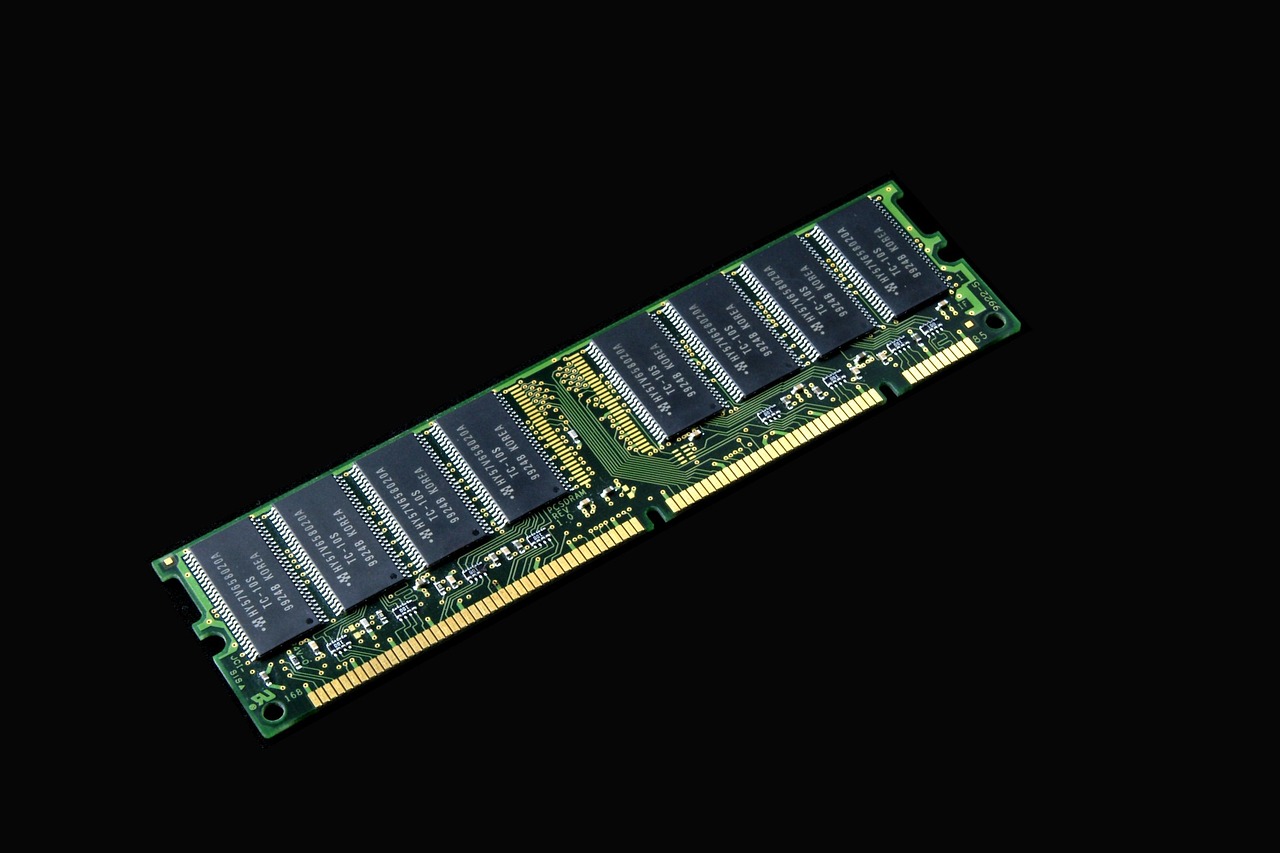
For decades, our computers have operated a bit like that inefficient baker. Data (the ingredients) is stored in one place – the memory chip – and then constantly shuttled back and forth to another place – the processor (CPU or GPU) – to be 'cooked' (processed). This constant back-and-forth, known as the 'von Neumann bottleneck' or 'memory wall,' is a huge energy hog and a major speed bump, especially for today's massive AI models that devour mountains of data.
What is Processing-in-Memory (PIM)?
PIM flips this traditional model on its head. Instead of moving data to the processor, PIM brings the processing power directly into the memory chip itself. Think of it as giving your pantry shelves tiny, smart mini-processors that can immediately start chopping vegetables or mixing batter as soon as you grab them. The data doesn't have to travel far; it gets computed right where it lives.
This isn't just about adding a small calculator to a memory stick. Modern PIM architectures integrate sophisticated processing units – sometimes even specialized AI accelerators – directly into the memory fabric. This allows for parallel computation on vast amounts of data without the energy and time wasted on data movement.
Why Does PIM Matter for AI?
- Speed Demon: AI models, especially for tasks like real-time image recognition, natural language processing, or complex simulations, need to crunch colossal datasets. By eliminating the data shuttle, PIM dramatically speeds up these operations.
- Energy Saver: Moving data consumes a surprising amount of power. PIM significantly reduces this energy footprint, making AI more sustainable and enabling powerful AI to run on smaller, battery-powered devices like smartphones, drones, or smart sensors.
- Smaller Footprint: Less data movement also means less need for complex interconnects and cooling systems, potentially leading to more compact and efficient AI hardware. This opens doors for advanced AI in edge devices where space and power are at a premium.
- New AI Possibilities: By breaking the memory wall, PIM could enable entirely new types of AI models and applications that were previously too slow or power-hungry to be practical. Imagine AI that learns faster, adapts on the fly, and understands complex contexts with unprecedented efficiency.
How Will PIM Affect Jobs and Careers?
The shift to PIM isn't just a hardware tweak; it's a fundamental change that will ripple through the tech industry, creating exciting new opportunities:
- Hardware Design & Architecture: Expect a surge in demand for electrical engineers, chip designers, and computer architects specializing in novel memory technologies, heterogeneous computing, and integrating processing units into memory arrays.
- System Software & Compiler Engineers: Writing software for PIM-enabled systems requires new compilers and operating system components that understand how to best utilize these integrated processing capabilities. Expertise in low-level programming, parallel computing, and system optimization will be crucial.
- AI/ML Engineers & Researchers: Data scientists and machine learning engineers will need to learn how to optimize their models and algorithms to take advantage of PIM architectures. This might involve new data structures, parallel processing techniques, or even rethinking how AI models are trained and deployed to maximize PIM's benefits.
- Full-Stack Developers & Cloud Architects: As PIM finds its way into data centers and cloud infrastructure, developers building AI-powered applications will need to understand how to design their systems to leverage these new efficiencies, potentially leading to more cost-effective and faster services.
- Interdisciplinary Roles: The line between hardware and software will blur even further. Professionals who can bridge these gaps – understanding both the physical constraints of a PIM chip and the algorithmic demands of an AI model – will be highly sought after.
PIM isn't just making our chips faster; it's redefining what's possible for AI, setting the stage for a new era of intelligent, energy-efficient computing. Get ready to rethink how you approach computation, because the memory is about to get a whole lot smarter.