The Memory Wall: Why Our Computers Get Stuck
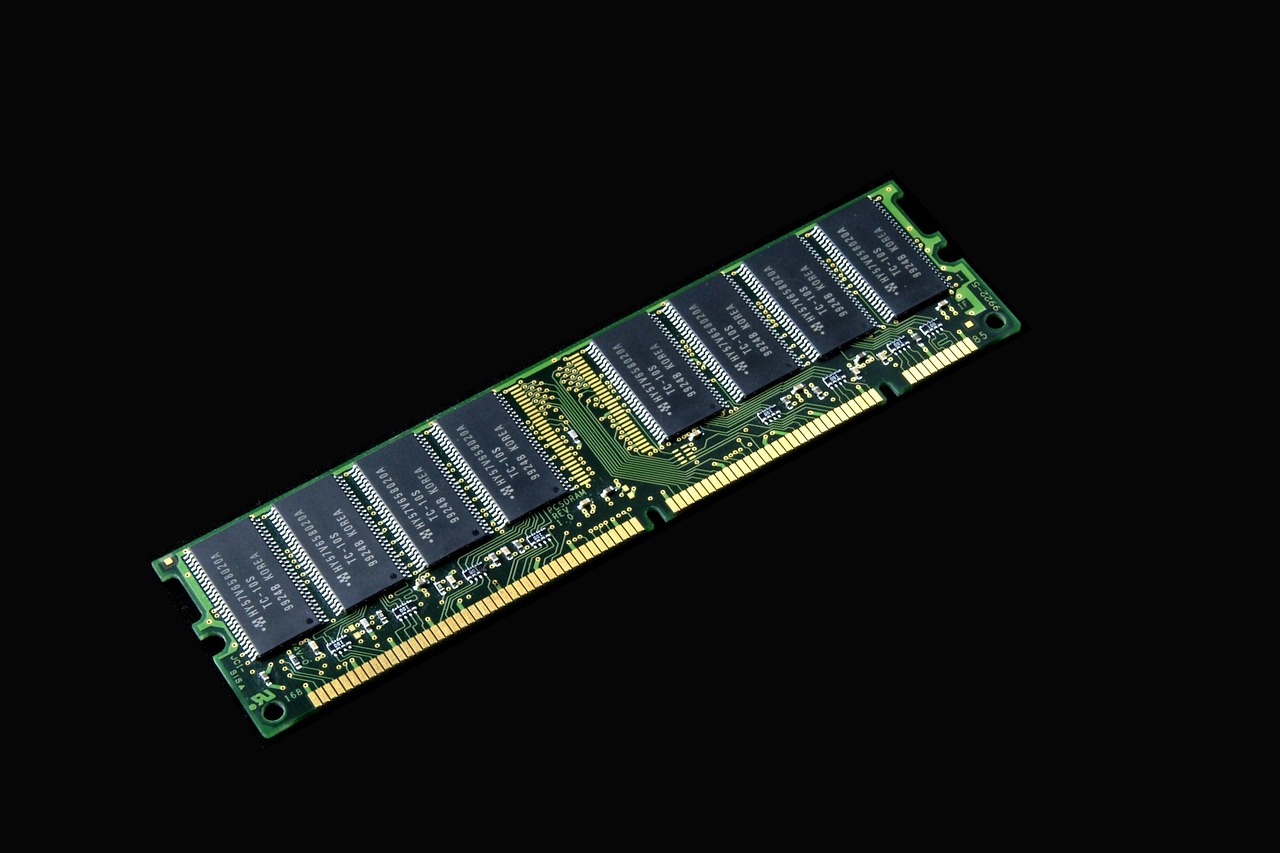
Imagine you're a world-class chef. Your kitchen (the processor) is incredibly fast, but your fridge (the memory) is down the hall. Every time you need an ingredient, you have to run back and forth, wasting precious time and energy. This 'memory wall' is the biggest bottleneck in modern computing, especially with today's data-hungry AI and machine learning tasks. Our chips spend more time shuffling data than actually processing it.
Enter the Ferroelectric Field-Effect Transistor (FeFET): Your Kitchen with a Built-In Fridge
What if your kitchen counter was the fridge? That's the core idea behind the Ferroelectric Field-Effect Transistor, or FeFET. At its heart, an FeFET is a special type of transistor that doesn't just switch electricity on or off; it uses a unique 'ferroelectric' material that can remember its state (on or off) even when the power is cut. Think of it like a light switch that, once flipped, stays in position even if the power goes out, and only changes when you intentionally flip it again. This 'memory' is built right into the transistor itself.
Why This Matters: Smarter, Faster, and Greener Computing
This might sound like a subtle tweak, but it's revolutionary:
- Compute-in-Memory: Instead of constantly moving data between the processor and separate memory chips, FeFETs allow computation to happen directly where the data is stored. This is like our chef analogy: the ingredients are already on the counter, ready for immediate use. This drastically cuts down on energy consumption and speeds up operations, especially for AI workloads that involve massive datasets.
- Always-On Devices: Because FeFETs retain their state without power, devices can 'wake up' instantly without needing to reload data. Imagine your phone or laptop powering on in a blink, remembering exactly where you left off, every single time.
- Brain-Inspired Computing: This technology brings us closer to neuromorphic computing – building chips that mimic the human brain's efficiency and parallel processing capabilities, where memory and processing are intertwined.
Your Career Path: Building the Future of Silicon
The rise of FeFETs isn't just a technical breakthrough; it's opening up entirely new career avenues:
- Materials Scientists & Engineers: The ferroelectric materials are key. Expertise in novel material synthesis, characterization, and integration will be in high demand. If you love chemistry and physics, this is your frontier.
- Semiconductor Device Engineers: Designing and optimizing the actual FeFET structures, understanding their physics, and scaling them for mass production will be critical. This involves deep knowledge of semiconductor fabrication processes.
- Circuit & System Architects: How do you build entire processors and memory systems using FeFETs? This requires innovative circuit design to leverage their unique properties for in-memory computing and low-power applications.
- AI/ML Hardware & Software Engineers: Developing algorithms and software frameworks that can effectively run on FeFET-based hardware to fully exploit their compute-in-memory capabilities will be a specialized and highly sought-after skill.
- Manufacturing & Process Engineers: As FeFETs move from labs to factories, professionals who can refine and manage the complex manufacturing processes will be essential.
This isn't just about making existing chips a bit faster; it's about fundamentally rethinking how computers work. For those with a curious mind and a drive to innovate, the world of FeFETs offers a fertile ground for impactful careers.