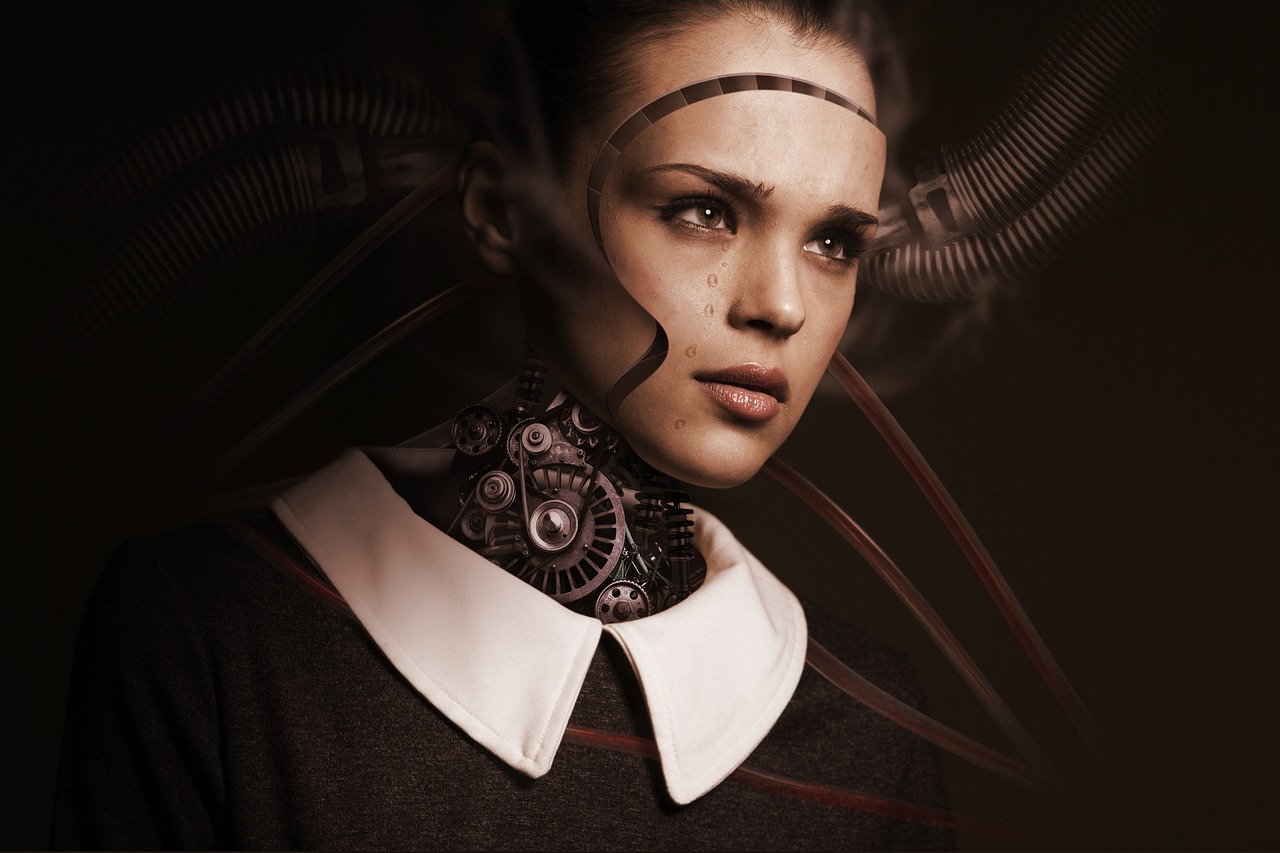
Say Goodbye to Medical Guesswork: Your Virtual Self is Here
Imagine a world where doctors don't just guess which medication will work best for you, or which dosage will be most effective. A world where the trial-and-error of finding the right treatment is largely a thing of the past. Sounds like science fiction, right? Welcome to the rapidly emerging reality of Healthcare AI, specifically the groundbreaking development of 'digital twins' for patients. We're talking about AI creating a meticulously detailed, dynamic, virtual version of you – or at least, your relevant biological systems – to predict how you'll respond to treatments before they even touch your body.
What is This Magic? Your Biological Avatar
Think of it like this: you know how engineers create a digital model of a new car or airplane to test its performance in a virtual wind tunnel before building a physical prototype? This AI innovation does something similar, but for your biology. Instead of a car, it's a 'digital twin' of a patient's specific organ, a disease pathway, or even a full biological system. AI sifts through mountains of data – your genetic profile, medical history, lifestyle, imaging scans, blood tests – to construct a highly accurate, constantly evolving digital representation. This isn't just a static image; it's a living, breathing (virtually speaking!) model that can simulate how different drugs, therapies, or even diet changes would interact with your unique physiology.
Why Does This Matter So Much? Precision and Speed
The implications are massive. For starters, it means a revolution in personalized medicine. Instead of a 'one-size-fits-all' approach, doctors could theoretically 'test' various treatments on your digital twin first, pinpointing the most effective and least harmful options. This drastically reduces the time, cost, and risk associated with finding the right cure. For drug development, it's a game-changer. Pharmaceutical companies can use these digital avatars to screen potential new drugs much faster and more cheaply, identifying promising candidates and weeding out ineffective ones long before expensive human clinical trials begin. This means new life-saving treatments could reach patients years sooner.
Your Career Path in the Age of Virtual Biology
This isn't just a technological leap; it's a seismic shift that will create entirely new career opportunities and transform existing ones. Here's how:
- Data Scientists & Bioinformaticians: The architects of these digital twins. You'll be crucial in collecting, cleaning, and interpreting the vast datasets needed to build and train these complex AI models.
- AI Model Validators & Explainability Specialists: Ensuring these virtual patients are accurate, reliable, and that their predictions can be understood and trusted by clinicians.
- Clinical AI Integration Specialists: Bridging the gap between the lab and the bedside, helping doctors and hospitals integrate these powerful AI tools into daily practice.
- Ethical AI & Regulatory Experts: As AI touches individual health, understanding and shaping the ethical guidelines and regulatory frameworks will be paramount.
- Personalized Medicine Consultants: Professionals who can interpret the insights from digital twins to craft bespoke treatment plans for patients.
The future of healthcare isn't just about treating illness; it's about predicting, preventing, and personalizing wellness. And the 'digital you' is leading the charge.