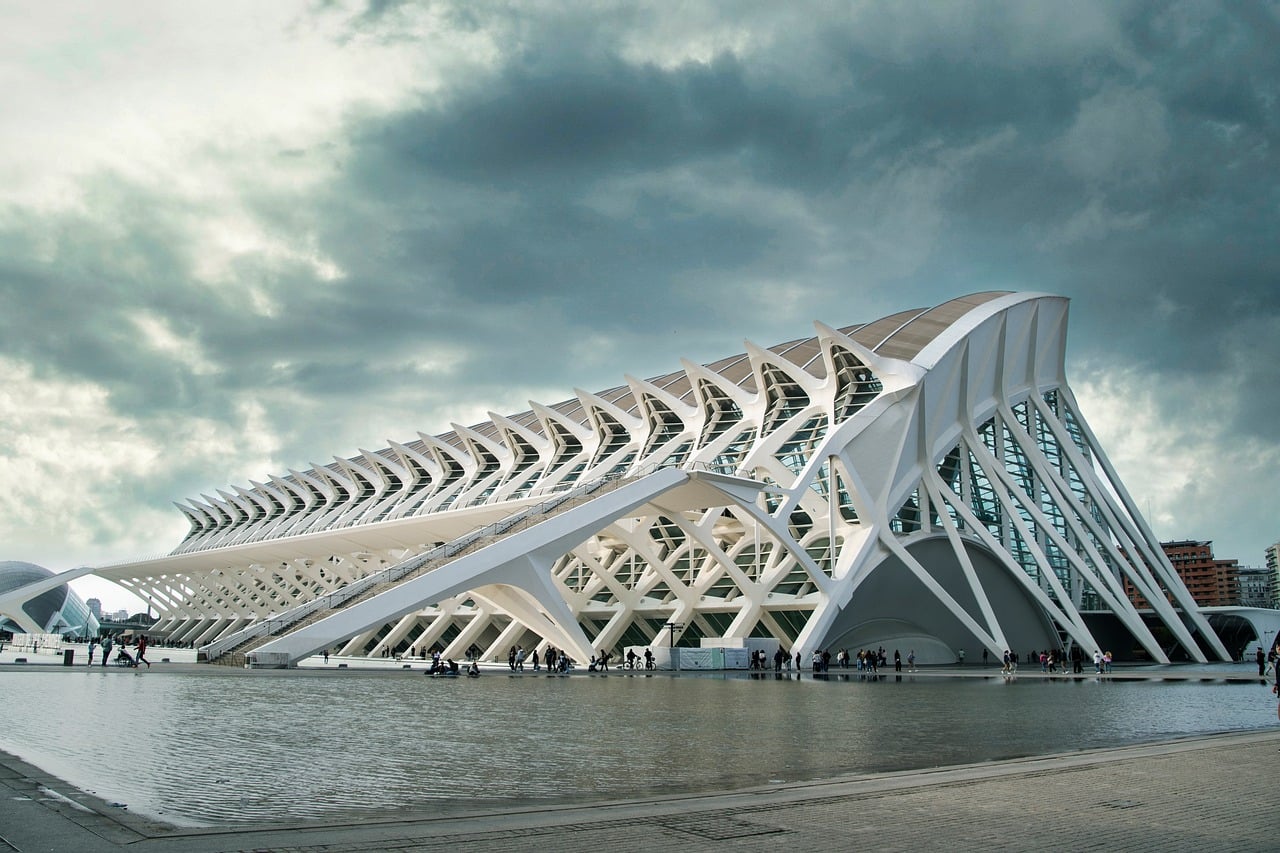
The Geometry Whisperers: AI Forging Nature's Strongest Shapes
Ever marveled at the intricate, yet incredibly strong, structure of a bird's bone or the elegant branching of a tree? Nature is the ultimate engineer, crafting forms that are astonishingly efficient – using minimal material to achieve maximum strength. For centuries, human engineers have tried to emulate this genius. Now, thanks to a revolution in artificial intelligence, we're not just mimicking nature; we're letting AI become nature's apprentice, designing structures with an efficiency previously thought impossible.
What is this Magic? Generative Structural Engineering's New Frontier
Imagine you're building a new skyscraper, a lighter airplane wing, or even a more efficient bicycle frame. Traditionally, an engineer sketches a design, runs simulations, tweaks it, and repeats. It's a bit like trying to find the best route across a city by driving every single street yourself.
Generative Structural Engineering, especially with its new bio-inspired twist, flips this script. Instead of you designing the structure, you tell a powerful AI what you need: "I need a component that connects point A to point B, must support 500 pounds, and I want it to be as light as possible." The AI then becomes a super-powered sculptor. It starts with a block of 'virtual material' and, guided by algorithms that mimic natural growth and optimization processes (think how bone cells reinforce themselves where stress is highest), it iteratively removes material that isn't essential for strength, leaving behind an incredibly complex, organic, and hyper-efficient form.
Think of it like this: If traditional design is like chiseling a statue from a block of marble, generative design is like 'growing' the statue, letting it evolve into its strongest, leanest form based on the forces it will experience. The result? Often designs that no human engineer would ever conceive, featuring intricate lattices, organic curves, and hollowed-out sections that are both beautiful and brutally effective.
Why Does This Matter? Beyond Just Lighter Parts
- Eco-Friendly Engineering: Less material means less waste, lower manufacturing energy, and a significantly reduced carbon footprint. This is huge for sustainability goals across industries.
- Unprecedented Performance: Lighter aircraft save fuel. Stronger bridges last longer. More efficient medical implants integrate better with the body. These AI-sculpted parts push the boundaries of what's physically possible.
- Cost Savings: While the upfront AI might seem complex, using less material translates to significant cost reductions in raw materials and and often in shipping and assembly.
- Innovation Acceleration: It frees engineers from tedious iteration, allowing them to focus on higher-level problems and explore radically new concepts, accelerating the pace of innovation.
- Customization at Scale: Imagine a prosthetic limb perfectly optimized for an individual's unique needs, or a car part custom-designed for a specific performance metric.
Your Career Path: Riding the Generative Wave
This isn't about AI replacing engineers; it's about AI elevating the role of the engineer. The demand for professionals who can bridge the gap between human design intent and AI's computational power is exploding.
If you're an engineer, architect, designer, or even a curious student, here's why you should pay attention:
- The New Engineer: AI Whisperer: Your job shifts from manual design to defining parameters, interpreting AI outputs, and validating designs. You'll need to understand the 'language' of these algorithms.
- Manufacturing's Next Frontier: These complex, organic shapes often require advanced manufacturing techniques like 3D printing (additive manufacturing). Expertise in these areas will be highly sought after.
- Data Science for the Physical World: If you're into data science or machine learning, specializing in algorithms for structural optimization, material science, or simulation will open doors to cutting-edge R&D roles.
- Designers as Visionaries: Architects and industrial designers can leverage generative tools to explore aesthetic and functional forms previously impossible, pushing artistic and structural boundaries simultaneously.
The future of building, flying, and creating is being sculpted by algorithms inspired by nature's wisdom. Understanding this shift isn't just about staying relevant; it's about being at the forefront of a design revolution that will redefine what's possible in the physical world.