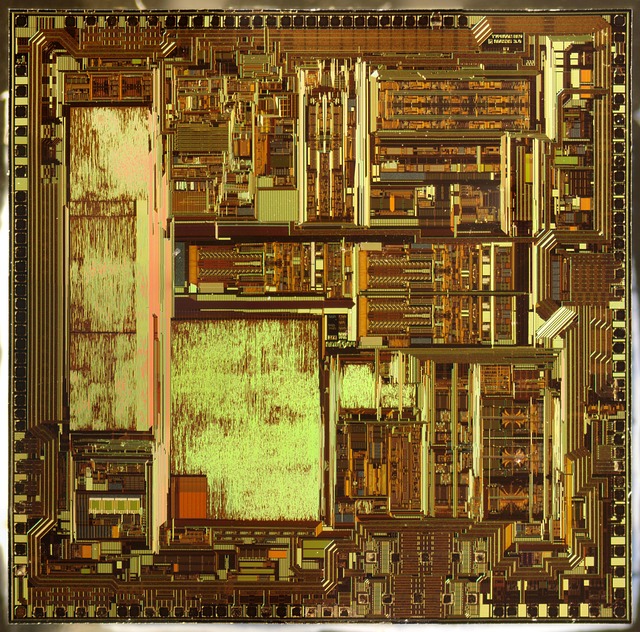
The Shift Toward Hardware-Level AI Defense
As AI models become central to critical infrastructure, the industry is witnessing a pivot from software-based security to Probabilistic Hardware Security. Following recent advancements in side-channel attack mitigations, DARPA's PREDATOR (Probabilistic Resilience for Electronic Devices and Autonomous Tactical Operations) initiative has begun surfacing as the new gold standard for securing AI-driven hardware.
Core Technical Implications
- Side-Channel Neutralization: By introducing intentional, controlled noise into the power and thermal signatures of NPUs (Neural Processing Units), new architectures prevent attackers from mapping weights via power consumption patterns.
- Hardware-Enforced Zero Trust: Moving identity verification from the OS kernel down to the silicon gate level, ensuring that AI agents cannot execute unauthorized operations even if the software layer is compromised.
- Resilience against Adversarial Perturbations: Integrating hardware-level filters that detect and reject 'adversarial noise' before it reaches the model's inference engine.
🚀 Career Roadmap: How to Adapt?
How to Prepare
- Learn Hardware Description Languages (HDL): Master Verilog or VHDL to understand how security primitives are baked into logic gates.
- Study Side-Channel Analysis: Explore Differential Power Analysis (DPA) and electromagnetic emission testing tools.
- Master TrustZone Architectures: Become proficient in ARM TrustZone or RISC-V security extensions to understand hardware-enforced isolation.
- Certifications: Pursue advanced certifications in Embedded Systems Security and Hardware Assurance.