The Paradigm Shift
In the landscape of medical AI, we are moving beyond simple pattern matching into the domain of Topological Data Assimilation (TDA). Traditional deep learning often ignores the 'shape' of clinical data, treating patient records as flat vectors. By leveraging persistent homology, we can now map the intrinsic geometry of disease progression, identifying stable diagnostic 'signatures' that persist across noisy, non-linear clinical datasets.
Underlying Architecture
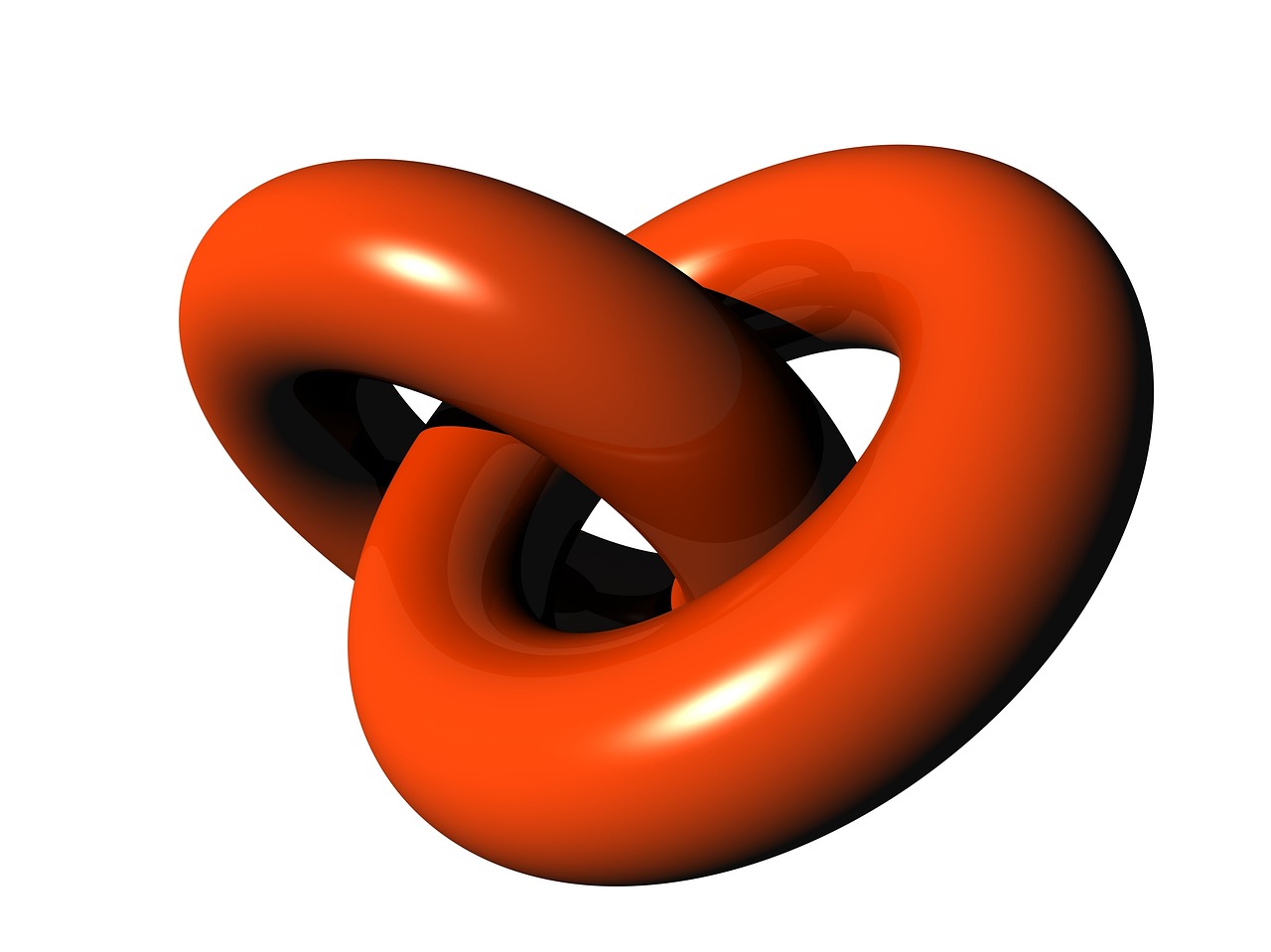
The architecture relies on filtration processes applied to high-dimensional point clouds of electronic health records. By constructing simplicial complexes, we extract persistent features that remain invariant under continuous deformation. This allows models to ignore transient noise and focus on the fundamental 'voids' and 'loops' in a patient's physiological state, providing a robust, geometry-aware foundation for long-term health forecasting.
Why It Matters
- Robustness: TDA provides a mathematical guarantee that diagnostic signatures are not artifacts of measurement noise.
- Clinical Interpretability: Unlike black-box models, topological features provide a visualizable map of how a patient's state evolves through 'disease space'.
- Data Efficiency: Requires fewer samples to identify stable patterns compared to standard deep neural networks.