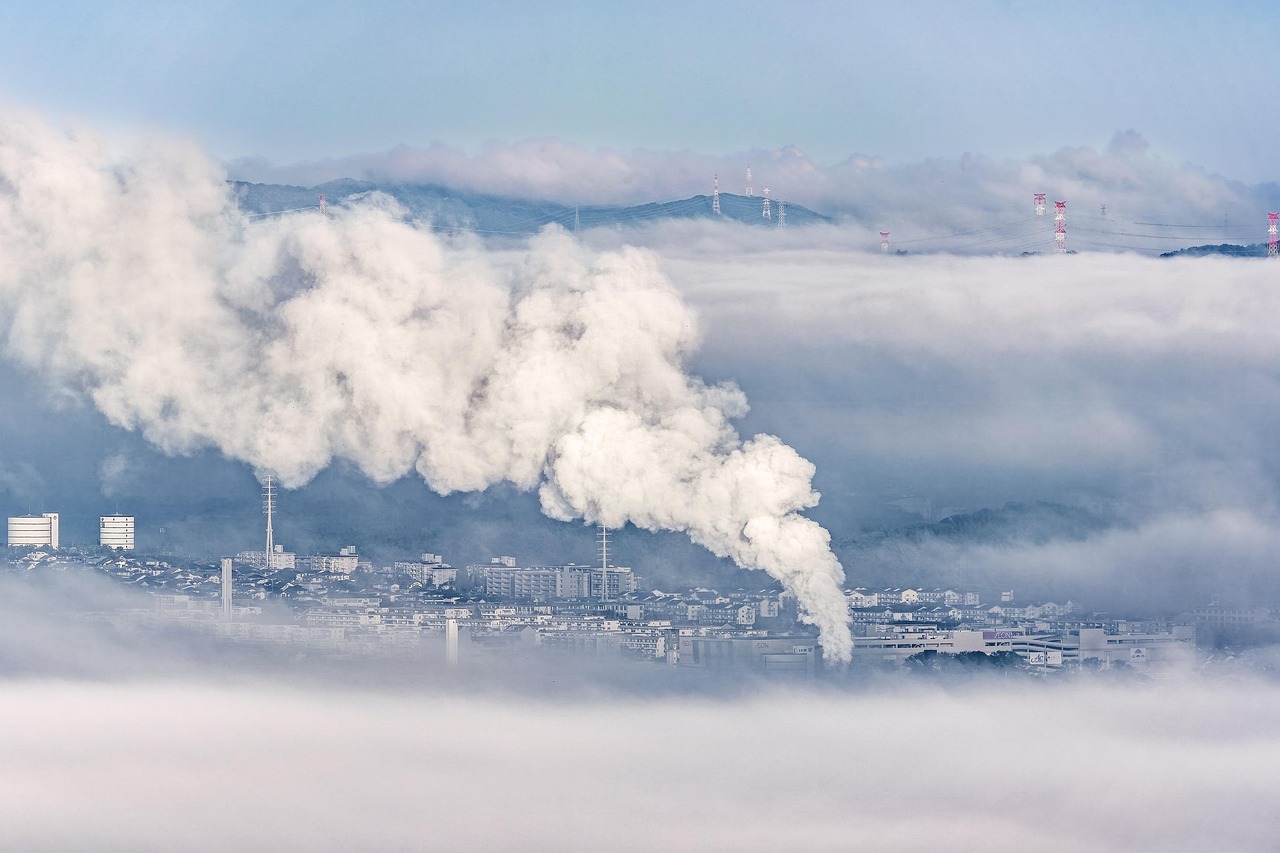
The City That Learns to Fight Back
Imagine your city as a living, breathing entity. Not just a collection of roads and buildings, but a dynamic organism with a nervous system of sensors and a brain powered by artificial intelligence. This isn't science fiction; it's the emerging reality of 'Climate-Adaptive Urban Networks,' where our cities are learning to predict and respond to the escalating threats of climate change in real-time.
For decades, our infrastructure – roads, power grids, water systems – was built to withstand predictable weather patterns. But climate change has thrown the rulebook out the window. We're seeing unprecedented heatwaves, flash floods, and extreme storms. Traditional, static defenses are no longer enough. Enter AI, not just as a fancy gadget, but as the core intelligence guiding our urban centers to become resilient, adaptive fortresses.
What Exactly Is This 'Adaptive City' Magic?
Think of it like this: your city gets a super-smart immune system. Instead of waiting for a disaster to strike, a network of sensors (like temperature gauges, water level monitors, and wind speed detectors) constantly collects data. This data is fed into powerful AI systems – the city's 'brain' – which analyze patterns, predict potential threats (like an imminent flood or a localized power surge due to extreme heat), and then trigger automated responses.
For example, if heavy rainfall is predicted, the AI might:
- Automatically adjust smart storm drain gates to divert water away from flood-prone areas.
- Alert public transport to reroute, avoiding submerged roads.
- Optimize energy distribution to prevent grid overload during a heatwave, perhaps by signaling smart buildings to pre-cool.
- Even use traffic light systems to manage evacuation routes more efficiently during a wildfire threat.
It’s about moving from reactive crisis management to proactive, intelligent adaptation. Like a highly skilled chess player, the city's AI is always several moves ahead, anticipating challenges and preparing its defenses.
Why Does This Matter to Everyone?
The impact of climate change is no longer a distant threat; it’s a present reality. Extreme weather events cause billions in damages, disrupt lives, and tragically, cost lives. Climate-Adaptive Urban Networks offer a powerful solution:
- Safety First: By predicting and mitigating events like floods and heatwaves, these systems directly save lives and prevent injuries.
- Economic Resilience: Less damage to infrastructure means massive savings for governments, businesses, and homeowners. It protects investments and ensures economic stability.
- Sustainability: Optimizing resource use (like energy and water) in response to environmental conditions makes cities inherently more sustainable and reduces their carbon footprint.
- Quality of Life: Fewer disruptions, more efficient services, and a safer environment lead to a better quality of life for all urban dwellers.
This isn't just about technology; it's about building safer, stronger, and more livable communities in the face of our planet's changing climate.
Your Career Path in the Adaptive City Era
The shift towards climate-adaptive urban networks isn't just creating new tech; it's forging entirely new career landscapes. This isn't just for engineers anymore. Here’s where the opportunities are:
- Urban Data Scientists & AI Specialists: You'll be the 'brain architects,' designing and training the AI models that predict climate events and orchestrate city responses.
- IoT Engineers & Network Architects: The 'nervous system' needs building and maintaining. You'll be deploying and managing the vast networks of sensors and communication systems.
- Climate Resilience Planners & Policy Makers: Bridging technology with human needs, you'll be designing how these systems integrate into urban planning and ensuring equitable access and benefits.
- Environmental & Geospatial Analysts: Understanding the 'lay of the land' and how climate impacts specific areas is crucial. Your insights will inform where and how adaptive measures are implemented.
- Smart Infrastructure Developers & Integrators: Creating and installing the physical components – from intelligent flood barriers to adaptive streetlights – that make the city responsive.
This field demands interdisciplinary thinkers who can connect technology, environmental science, and urban planning. It's a chance to build a career that truly makes a difference, shaping the future of our cities and protecting communities from the growing challenges of climate change.