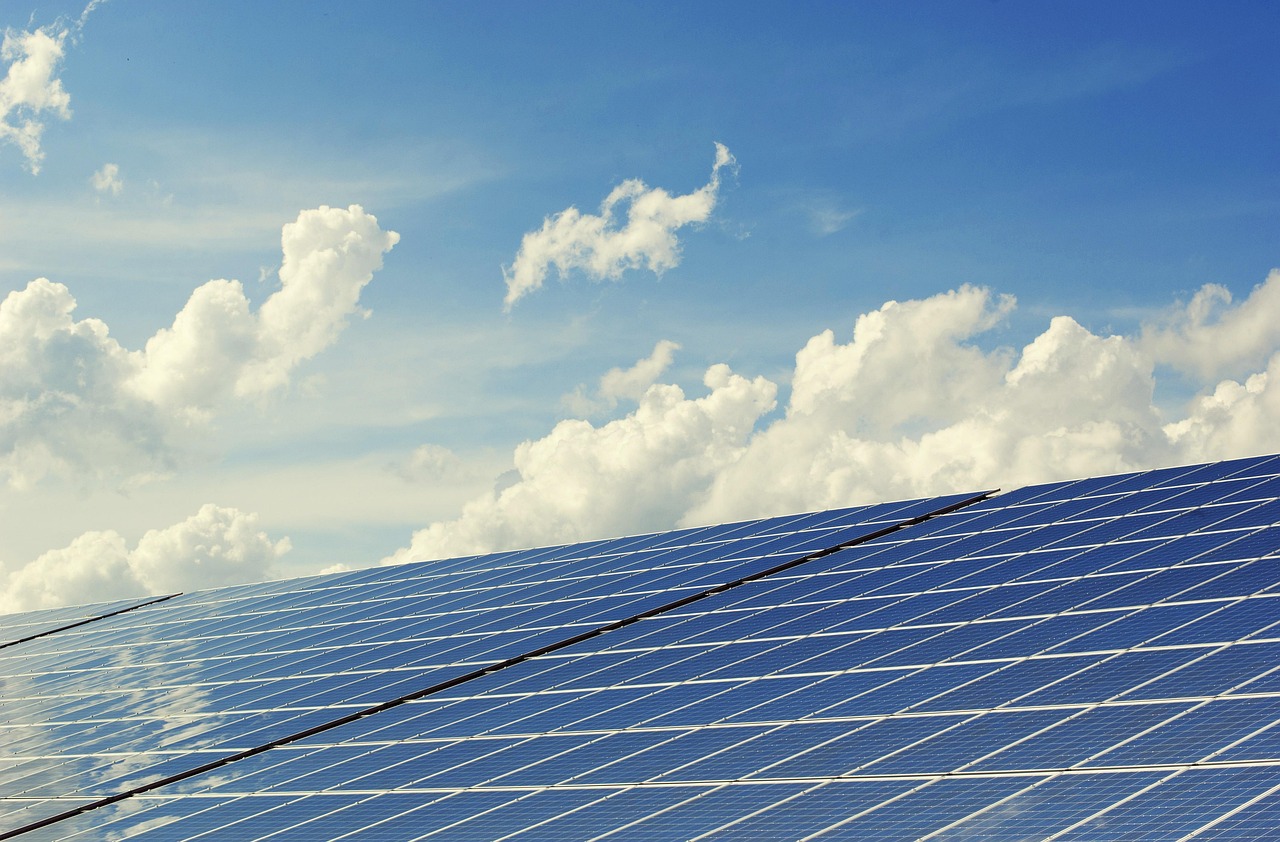
Imagine your building not just as a shelter, but as a living, breathing energy factory.
For decades, solar panels have been an 'add-on' – bolted onto rooftops, often an afterthought. But what if the very skin of your building – its windows, facades, and roof tiles – could seamlessly generate electricity? Welcome to the world of Building-Integrated Photovoltaics (BIPV). This isn't just putting solar panels on a building; it's the building *itself* becoming the solar panel. Think of it like giving a house its own built-in, clean energy generator, woven into its very design.
Why does this matter for our energy-hungry world?
Our cities are massive energy consumers, drawing power from distant grids, often reliant on fossil fuels. BIPV fundamentally changes this equation. Instead of importing all our power, buildings can become active contributors, generating clean electricity right where it's consumed. It's like replacing a central, single well for a town with individual, clean water pumps for every house. This reduces the strain on the main power grid, minimizes energy loss during transmission, and significantly slashes a building's carbon footprint.
- Energy Independence: Buildings can become partially or even fully self-sufficient, reducing reliance on external power sources.
- Aesthetics & Design: Unlike traditional panels, BIPV materials can be transparent, colored, or textured, blending beautifully into architectural designs rather than looking like an industrial add-on.
- Urban Resilience: Imagine a power outage that doesn't plunge your entire neighborhood into darkness because buildings can sustain themselves or even share power locally.
- Sustainability: It's a massive leap towards decarbonizing the built environment, turning static structures into dynamic green powerhouses.
How will this reshape jobs and careers?
This isn't just a tech trend; it's a paradigm shift in how we design, construct, and power our cities. For those looking to future-proof their careers, BIPV offers exciting new avenues:
- Architects & Urban Planners: Moving beyond aesthetics, they'll become 'energy architects,' designing structures where form and function are intrinsically linked to energy generation. Understanding BIPV materials, energy modeling, and grid integration will be key.
- Construction Managers & Civil Engineers: The complexity of integrating active energy-generating components into building structures requires new skills in installation techniques, electrical systems integration, and material science.
- Material Scientists & R&D Engineers: The demand for innovative BIPV materials – thinner, more efficient, flexible, and aesthetically versatile – will drive a surge in research and development roles.
- Electrical Engineers & Grid Specialists: As buildings become distributed power plants, managing their input into the wider energy grid, optimizing local storage, and ensuring grid stability will be critical.
- Project Developers & Finance Professionals: New financial models, incentives, and project management expertise will be needed to scale BIPV projects from concept to completion.
- Policy Makers & Regulators: Shaping the urban landscape with BIPV will require new building codes, energy policies, and incentive programs to accelerate adoption.
BIPV isn't just about building greener; it's about building smarter, more resilient, and more energy-independent communities. It's a field where creativity meets engineering, and sustainability becomes an integral part of every blueprint.
Stay Focused While Planning:
Career planning and acquiring new skills require Deep Work. To avoid distractions while applying the steps in this article or conducting your research, you can start the 1-Hour Pomodoro Focus Session below in the background.